Transform Your Kitchen with These Wall Décor Ideas
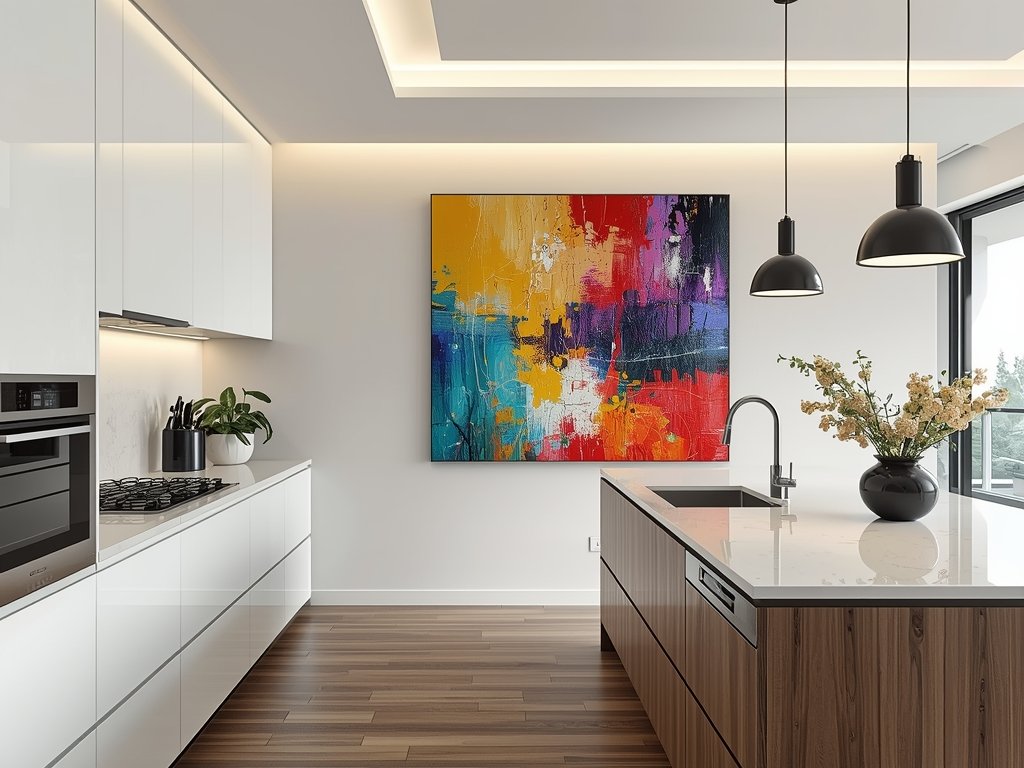
Kitchen wall décor is a fantastic way to add personality and style to your space. From functional shelving to eye-catching artwork, the possibilities are endless. In my experience, the key is to balance aesthetics with practicality, ensuring your décor complements your kitchen’s layout and daily use.
The Power of Color and Pattern
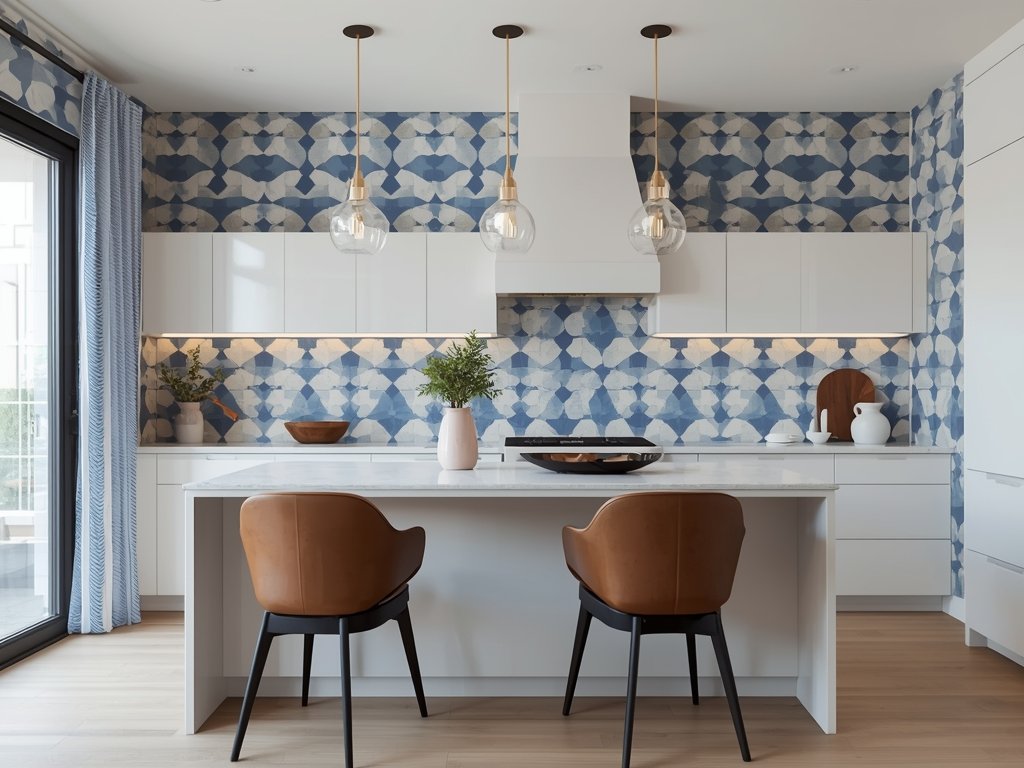
Incorporating color and pattern into your kitchen walls can instantly transform the space. What I have found to work best is using wallpaper or paint to create a feature wall. For a modern look, consider geometric patterns or bold colors like navy or emerald green. If you prefer a more subtle approach, opt for pastel shades or soft, flowing patterns.
Choosing the Right Wallpaper
When selecting wallpaper, consider the size of your kitchen. For smaller spaces, choose patterns with a smaller repeat to avoid overwhelming the room. Larger kitchens can handle bolder, larger-scale designs. Ensure the wallpaper is suitable for kitchen use, as some materials may not withstand moisture or heat.
Painting Techniques for Impact
If wallpaper isn’t your style, painting is a versatile alternative. Try a two-tone effect by painting the lower half of the wall in a darker shade and the upper half in a lighter color. This technique adds depth and visual interest. For a more dramatic look, use a high-gloss paint to create a statement wall.
Functional and Stylish Shelving
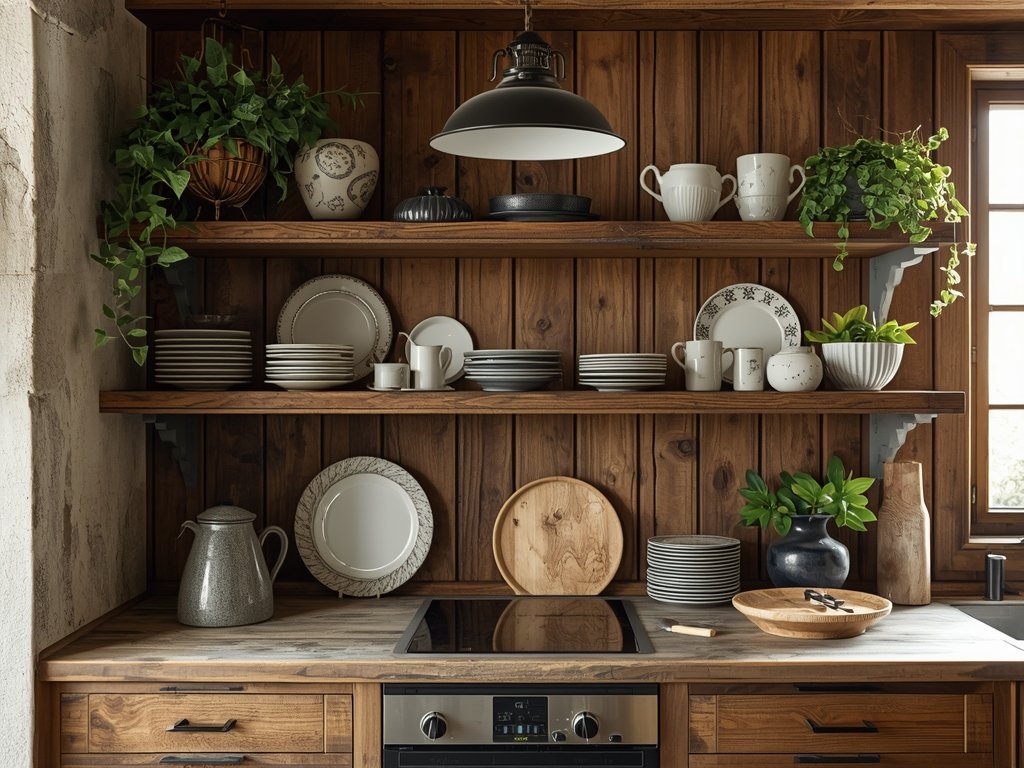
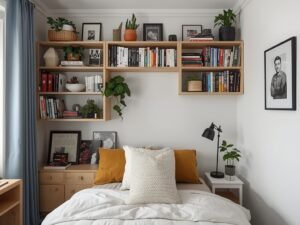
Shelving is a practical and decorative solution for kitchen walls. It provides storage while allowing you to showcase your favorite items. In my experience, open shelves work best when paired with a cohesive color scheme or theme.
Types of Shelving Materials
Wooden shelves offer a warm, natural look, while metal shelves provide a more industrial feel. For a seamless appearance, choose shelves that match your kitchen cabinets. Floating shelves are a popular choice, as they create a clean, minimalist aesthetic.
Styling Your Shelves
Arrange items in odd-numbered groups for visual appeal. Mix functional pieces like cookbooks and utensils with decorative elements such as plants, vases, or artwork. Leave some space between items to avoid a cluttered look. Regularly edit and rearrange your shelves to keep the display fresh and engaging.
Artwork That Inspires
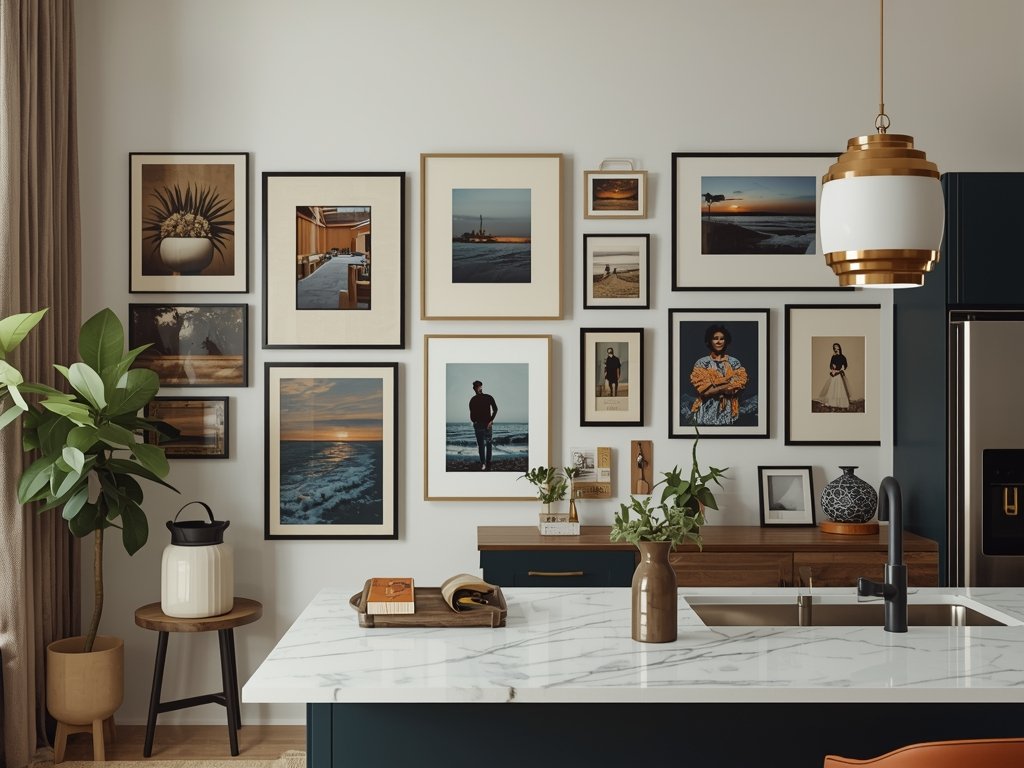
Artwork is a powerful way to express your personality in the kitchen. Whether you prefer classic paintings or contemporary prints, the right pieces can elevate your space. What I have found to work best is creating a gallery wall, which allows you to display multiple artworks in a cohesive arrangement.
Selecting the Right Art
Choose artwork that resonates with your style and complements your kitchen’s color scheme. Consider the size and scale of the pieces in relation to your wall space. For a harmonious look, stick to a consistent theme or color palette across all artworks.
Hanging and Arranging Art
When hanging a gallery wall, start by laying out the arrangement on the floor to plan the placement. Use a level to ensure each piece is straight. Leave about 2-3 inches of space between frames for a balanced look. For larger pieces, consider using picture rails or ledges for easy adjustments.
Mirrors for Depth and Light
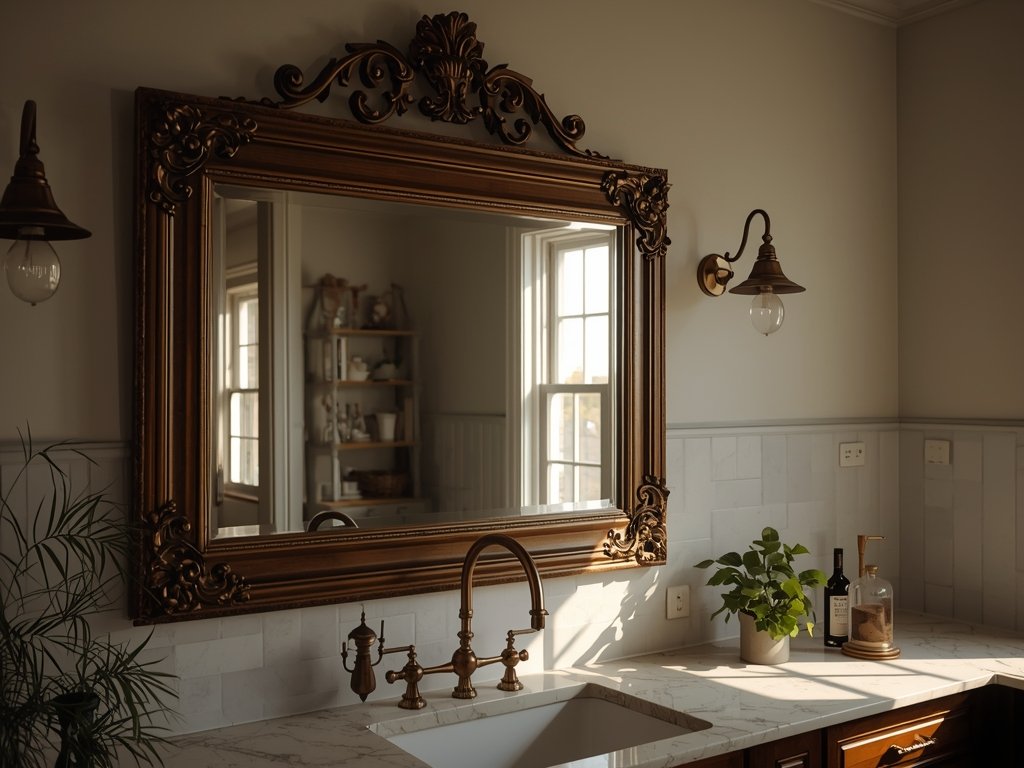
Mirrors are a versatile addition to kitchen walls, enhancing both light and space. In my experience, they work particularly well in smaller kitchens or areas with limited natural light. A well-placed mirror can create the illusion of more space and brighten up the room.
Choosing the Right Mirror
Select a mirror that complements your kitchen’s style. For a traditional look, opt for ornate frames, while minimalist designs suit modern kitchens. Consider the size and shape of the mirror in relation to your wall space. Round or oval mirrors can soften angular kitchen designs.
Placement Tips
Hang mirrors opposite windows to maximize natural light reflection. Above the sink or countertop is a popular choice, as it adds functionality by providing a view while working. Ensure the mirror is securely mounted, especially in high-traffic areas, to prevent accidents.
Wall-Mounted Storage Solutions

Wall-mounted storage is both practical and decorative, freeing up counter and cabinet space. From pot racks to magnetic knife strips, these solutions keep your essentials within reach while adding visual interest to your walls.
Pot Racks and Pan Organizers
Pot racks are ideal for displaying your cookware while keeping it accessible. Choose a style that complements your kitchen’s aesthetic, such as rustic wrought iron or modern stainless steel. Ensure the rack is securely anchored to support the weight of your pots and pans.
Magnetic Knife Strips
Magnetic knife strips are a sleek alternative to traditional knife blocks. They save counter space and make it easy to grab the right knife. Install the strip at a comfortable height, typically between 48 and 52 inches from the floor, for safe and convenient access.
Tile Accents for a Unique Touch
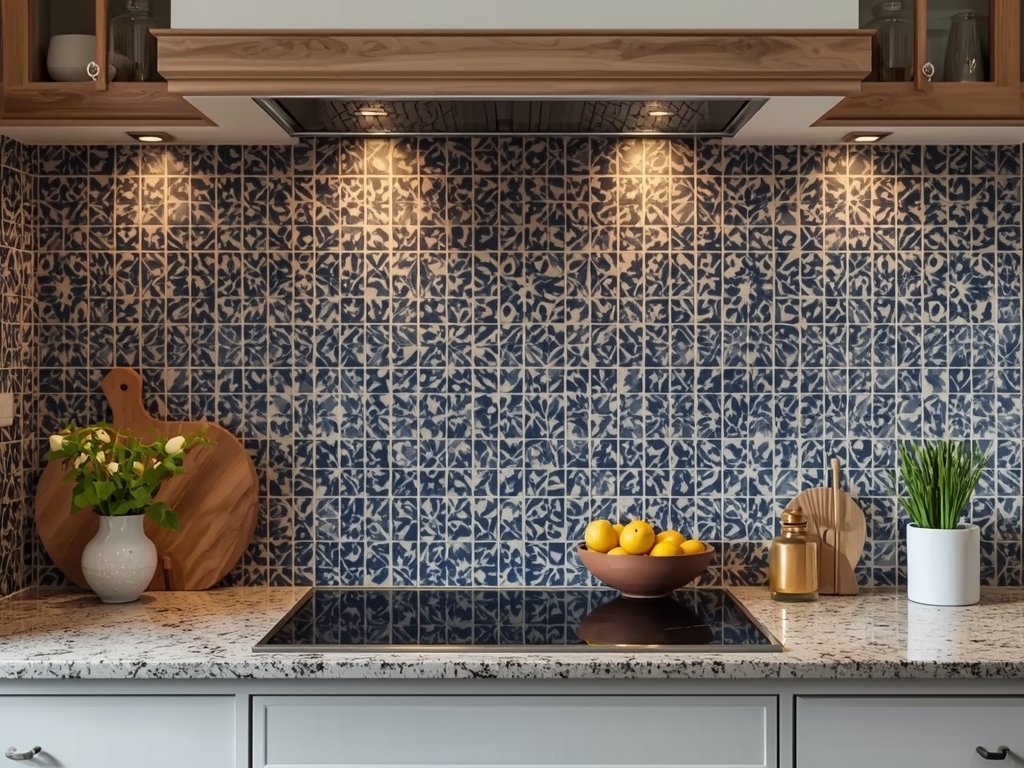
Tiles offer endless possibilities for kitchen wall décor, from classic subway tiles to intricate mosaics. In my experience, tiles are a durable and stylish option, especially in areas prone to moisture or splashes.
Backsplash Design Ideas
Create a focal point with a patterned tile backsplash behind the stove or sink. For a cohesive look, choose tiles that complement your countertops and cabinets. Consider using a mix of textures and finishes to add depth and character to your kitchen.
Tile Installation Tips
When installing tiles, ensure the wall surface is clean, dry, and level. Use a tile adhesive suitable for kitchen environments and follow the manufacturer’s instructions. Grout lines should be sealed to prevent staining and moisture penetration. For complex designs, consult a professional tiler for the best results.
Greenery for a Fresh Vibe
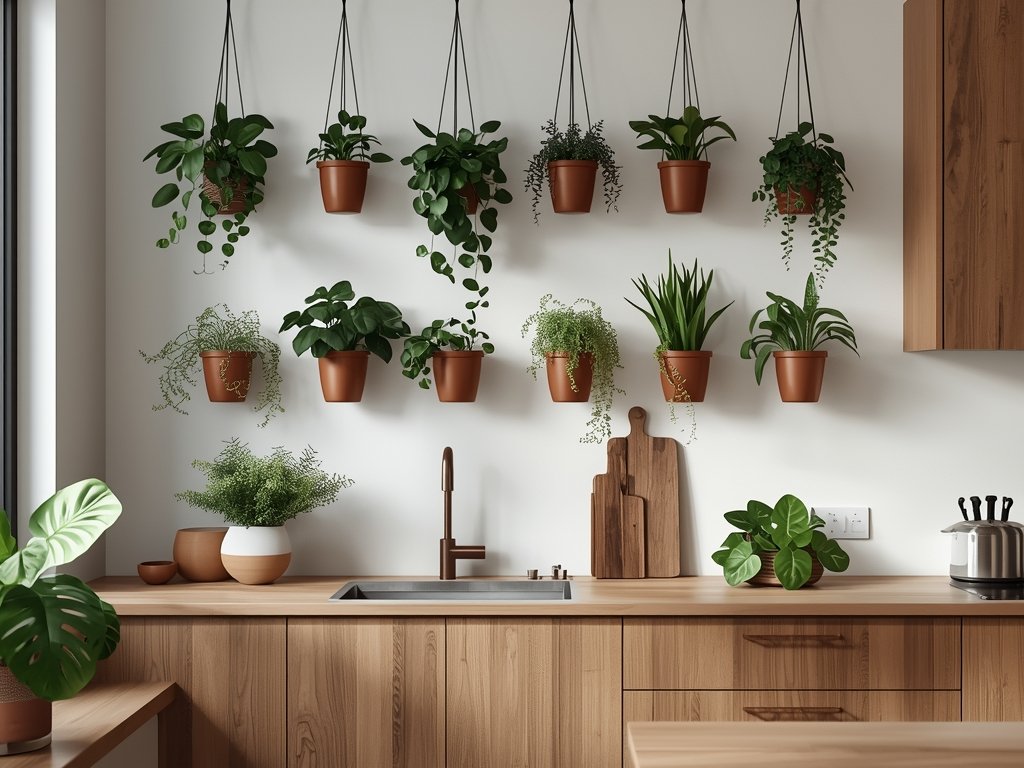
Bringing nature indoors with wall-mounted plants adds freshness and vitality to your kitchen. What I have found to work best is using a variety of plants to create texture and visual interest. Herbs like basil and mint are not only decorative but also functional for cooking.
Choosing the Right Plants
Select plants that thrive in kitchen conditions, which are often warm and humid. Succulents, ferns, and air plants are excellent choices. Ensure the plants receive adequate light, either from natural sources or grow lights, to maintain their health.
Hanging and Displaying Plants
Use wall-mounted planters, shelves, or hanging baskets to display your plants. Group plants of varying heights and sizes for a dynamic arrangement. Water plants regularly, but avoid overwatering to prevent damage to your walls. Consider using saucers or liners to catch excess water.
Common Mistakes to Avoid
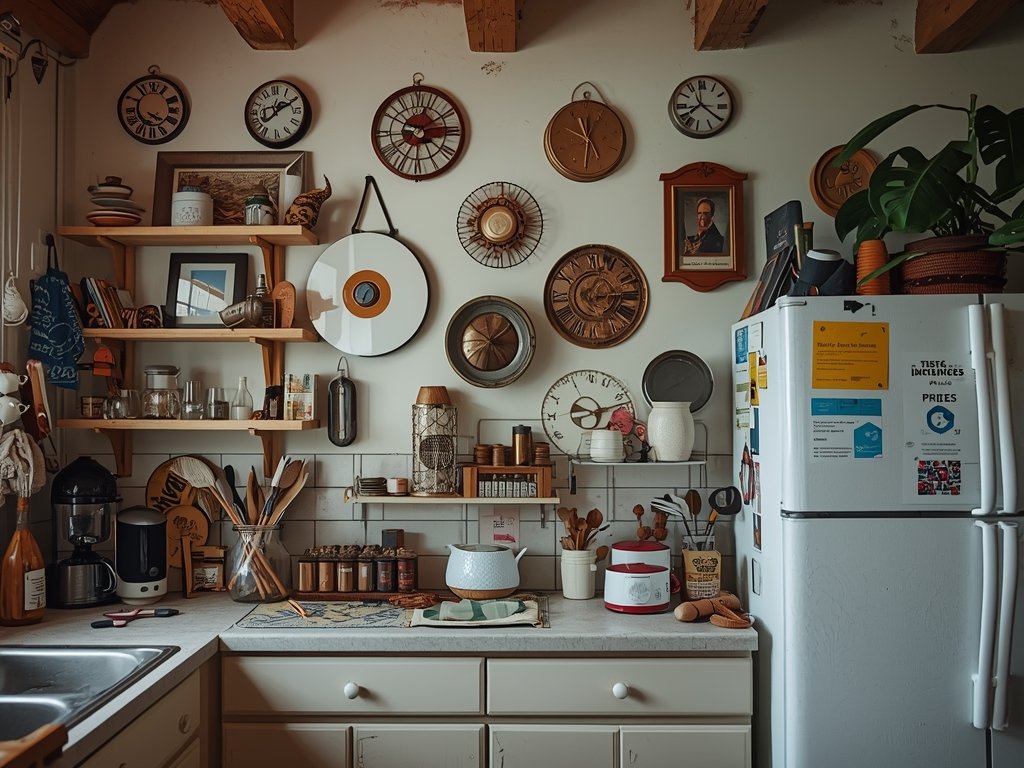
When decorating kitchen walls, it’s easy to make mistakes that can detract from the overall aesthetic. In my experience, avoiding these common pitfalls will help you achieve a polished and cohesive look.
Overcrowding the Space
Resist the urge to fill every inch of wall space. Leave some areas bare to allow your décor to breathe. Overcrowding can make the kitchen feel cramped and chaotic. Focus on creating a balanced arrangement that highlights your favorite pieces.
Ignoring Scale and Proportion
Ensure that the size of your décor items is proportional to the wall space. Large walls can handle bigger pieces, while smaller walls require more compact items. Measure your space and plan the layout before hanging anything to avoid a mismatched look.
Neglecting Functionality
While aesthetics are important, don’t forget the practical aspects of kitchen wall décor. Ensure that your choices do not obstruct workflow or create safety hazards. For example, avoid placing fragile items in high-traffic areas or where they could be easily knocked over.
Pro Tips for Success
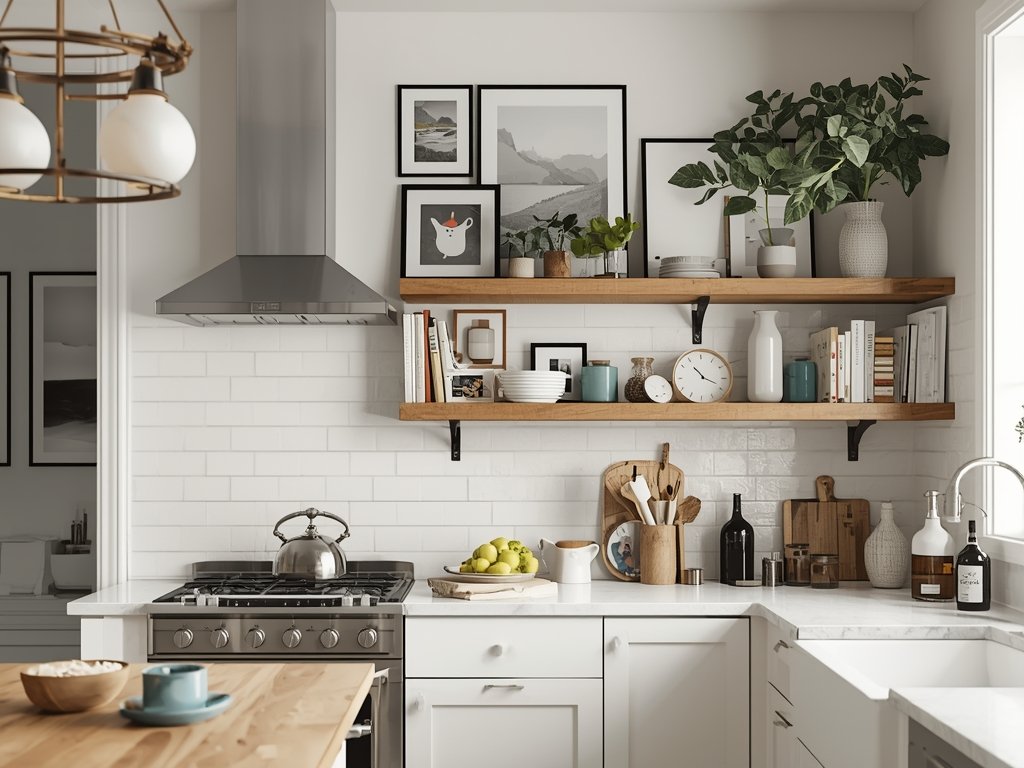
To take your kitchen wall décor to the next level, consider these expert tips. In my experience, attention to detail and thoughtful planning can make all the difference in creating a stunning and functional space.
Create a Focal Point
Designate one area of your kitchen wall as the focal point. This could be a large piece of artwork, a statement mirror, or a unique tile design. Draw attention to this area by positioning it at eye level and ensuring it stands out from the surrounding décor.
Layer Your Décor
Layering adds depth and dimension to your walls. Combine different textures, materials, and heights to create visual interest. For example, pair floating shelves with hanging plants or mix framed artwork with wall-mounted storage. This approach keeps the space dynamic and engaging.
Incorporate Personal Touches
Make your kitchen walls truly yours by incorporating personal items. Display family photos, heirloom pieces, or DIY projects. These touches add warmth and character, making your kitchen feel unique and inviting. Don’t be afraid to let your personality shine through.
FAQ
What are the best materials for kitchen wall décor?
The best materials depend on your kitchen’s style and functionality. For durability, consider tiles, metal, or treated wood. Avoid materials that are prone to moisture damage in areas near the sink or stove.
How do I choose the right size artwork for my kitchen walls?
Measure your wall space and select artwork that covers about two-thirds of the available area. For gallery walls, choose pieces that are proportionally balanced and leave adequate space between them.
Can I use wallpaper in a kitchen with high moisture levels?
Yes, but opt for vinyl or washable wallpaper designed for kitchens. These materials are more resistant to moisture and can be easily cleaned. Avoid paper-based wallpapers in areas prone to splashes.
How often should I update my kitchen wall décor?
There’s no set rule, but updating your décor every few years can keep your kitchen feeling fresh. Seasonal changes, such as adding holiday-themed items, can also bring new life to your space without a complete overhaul.
What lighting should I use to highlight my kitchen wall décor?
Use a combination of ambient, task, and accent lighting. Track lighting or wall sconces can highlight artwork or shelves, while under-cabinet lighting can enhance backsplashes or tile accents.