
A backyard reading shed serves as a dedicated cognitive retreat—a space away from the household noise designed specifically for focus. Transforming a basic garden shed into a professional-grade reading nook does not require structural renovation. Success lies in “environmental conditioning”: optimizing the seating, lighting, and insulation to create a climate of comfort.
The following guide focuses on high-impact, low-cost strategies to curate an outdoor sanctuary on a strict budget.
1. The Anchor: Comfort-First Seating
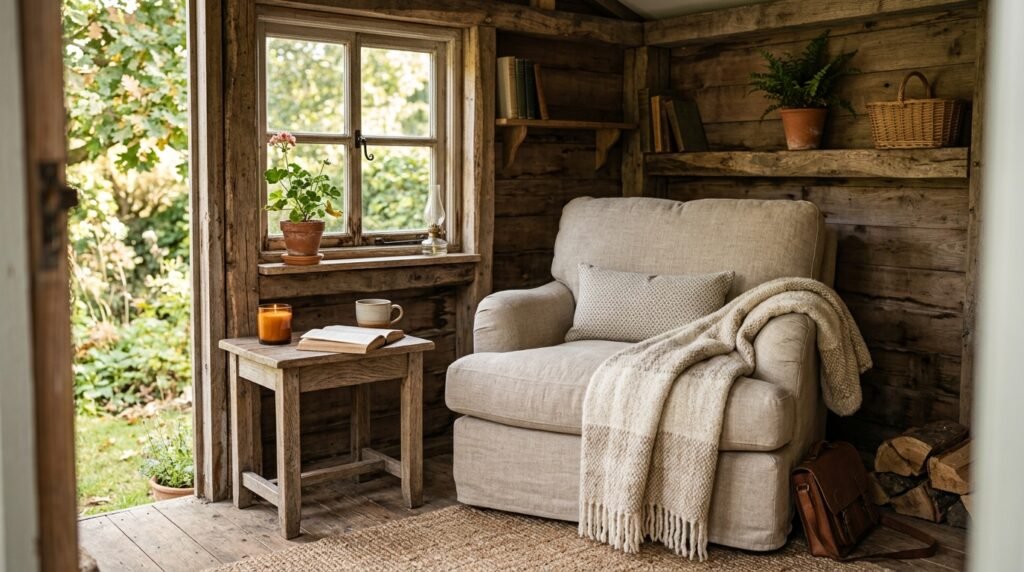
In a confined space like a shed, the chair is the primary architectural element. To stay on budget, source a “hero” chair from local marketplaces or thrift stores. Look for high-backed armchairs or wingbacks that provide head support for long reading sessions.
If the upholstery is dated, use a large, high-quality linen or cotton drop cloth as a “slipcover.” This provides a clean, minimalist aesthetic for under $20. Ensure the chair is positioned at a 45-degree angle to the window to maximize natural light without creating a direct glare on your book pages.
2. Floor Insulation with Layered Rugs
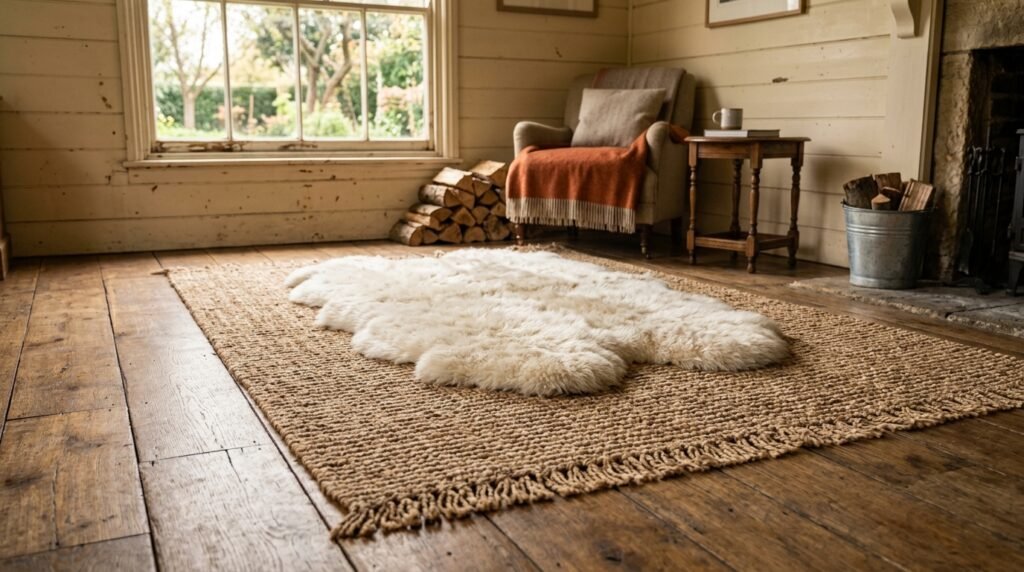
Shed floors are often cold and made of basic plywood. Visual and thermal warmth can be added instantly through “zonal” rug layering. A large jute or sisal rug ($30) acts as a durable, earthy base that covers the industrial floor.
Place a smaller, high-pile rug or a faux-sheepskin directly where your feet will rest. This layering technique provides a “designer” look while creating a thick barrier against the cold rising from the ground, which is essential for an unheated outdoor structure.
3. Vertical Library: Deep-Cleat Floating Shelves
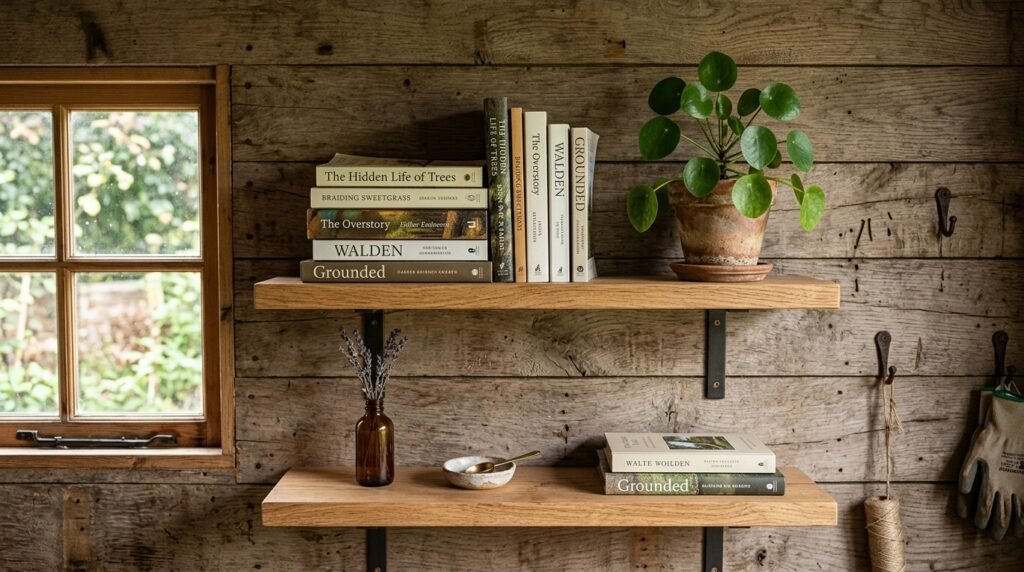
Floor space is a premium in a shed. Instead of freestanding bookcases, use the vertical real estate of the walls. Basic pine boards and steel L-brackets from a hardware store are the most cost-effective shelving solution ($15).
Install the shelves at varying heights to create visual movement. Keep the “active” reading list at eye level and use the higher shelves for decorative objects or battery-operated lanterns. This keeps the floor clear, making a 6×6 or 8×8 shed feel significantly more spacious.
4. Off-Grid Lighting Strategy
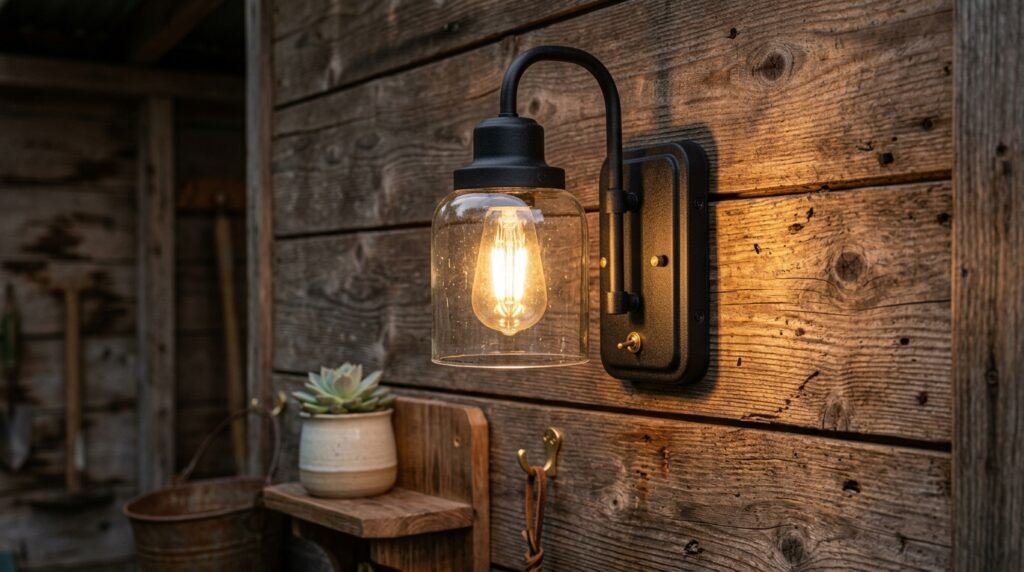
Most budget sheds lack electrical wiring. To avoid the high cost of an electrician, utilize “off-grid” lighting. Battery-powered LED wall sconces or rechargeable “puck” lights hidden inside vintage lamp shades provide a high-end look without the need for outlets.
Aim for a color temperature of 2700K. This warm amber glow is essential for evening reading and creates a “cocoon” effect. Supplement this with a portable, rechargeable LED book light for focused task lighting that doesn’t drain the ambient light batteries.
5. Climate Control: Simple Textile “Insulation”
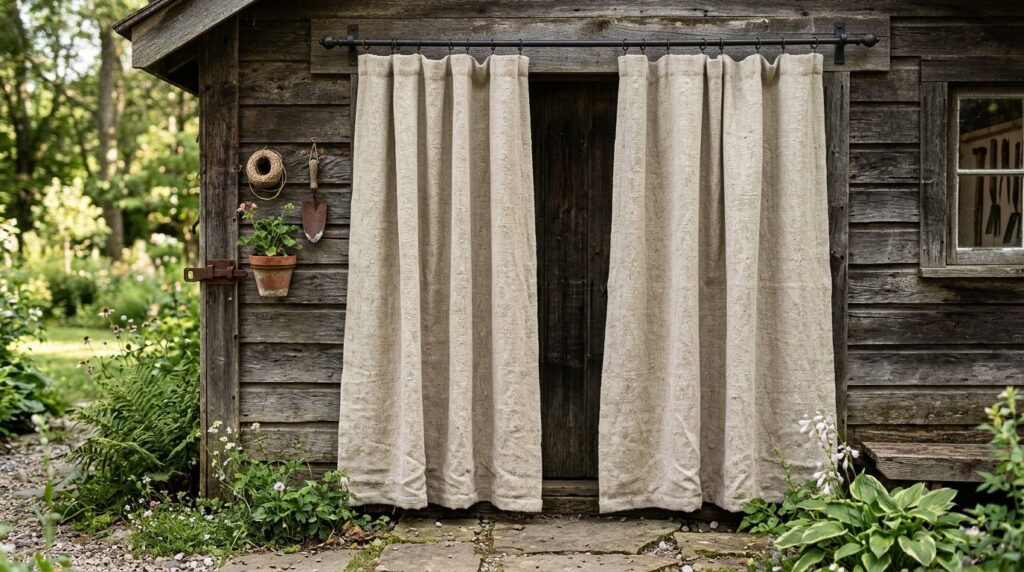
Sheds are prone to drafts. A low-cost “pro” trick is to use heavy textiles as functional insulation. Hanging floor-to-ceiling canvas or thick linen curtains over the door and windows blocks drafts and dampens outdoor noise (like lawnmowers or wind).
During colder months, keep a “blanket basket” filled with heavy wool or fleece throws. This prevents the need for expensive space heaters and adds a soft, tactile element to the decor that reinforces the “cottage” aesthetic.
6. Biophilic Integration: Low-Maintenance Greenery

To make a shed feel like a living part of the backyard, introduce plants. Spider plants, Pothos, and Snake plants are ideal for sheds because they tolerate temperature fluctuations and varying light levels.
Hanging plants in corners “softens” the sharp 90-degree angles of the shed walls, making the environment feel more organic and less like a storage box. Use simple terracotta pots to maintain a natural, budget-friendly color palette.
7. The Repurposed “Book Butler” (Side Table)

Every reading nook requires a surface for a beverage. Avoid buying new furniture; a vintage wooden stool, a stack of old crates, or even a sturdy tree stump can serve as a side table.
If using a crate, turn it on its side to create extra “niche” storage for current magazines or a reading journal. A quick coat of clear wax or matte varnish will protect the wood from the humidity typical of outdoor structures.
8. Scent and Sensory Zoning
Scent is a powerful tool for “zoning” a space. Because sheds can sometimes smell “musty,” a battery-operated essential oil diffuser is a practical addition. Use grounding scents like cedarwood, sandalwood, or eucalyptus to enhance the outdoor connection.

The sound of the backyard—birds, wind, rain on the roof—is part of the shed’s charm. However, if you find it distracting, a small battery-powered white noise machine can provide a “frequency shield” that allows for deeper concentration.
Cost & Budget Allocation
| Item Category | Estimated Cost | Source Tip |
| Thrifted Armchair | $40.00 | Marketplace / Estate Sales |
| Jute/Sheepskin Rugs | $25.00 | Discount Home Stores |
| DIY Pine Shelving | $15.00 | Hardware Store Offcuts |
| LED Lighting | $15.00 | Rechargeable Puck Lights |
| Textiles/Curtains | $15.00 | Thrifted Linens / Canvas |
| TOTAL | $110.00 |
Practical Maintenance Tips
- Moisture Control: Place a few moisture-absorbing canisters (silica gel) behind the books to prevent pages from curling in the humidity.
- Bug Prevention: Use cedar blocks or dried lavender sachets on the shelves to naturally repel insects.
- Storage: If you leave the shed for the winter, store your high-value books inside the main house and leave only the “aesthetic” or secondary copies behind.
FAQ
Is it safe to leave books in a backyard shed?
Only if the shed is dry. Ensure the roof is sealed and use a “breathable” shelving layout (don’t pack books too tight) to allow for airflow. Avoid keeping rare or expensive editions in an unconditioned outdoor space.
How do I keep the shed cool in the summer?
Position a battery-operated fan near the window to create a cross-breeze. Light-colored curtains will also reflect heat away from the window during the hottest part of the day.
Can I style a shed without windows?
Yes. You will need to double your lighting sources. Use a “daylight” LED bulb for one light to mimic a window, and “warm” LEDs for your reading area to maintain the cozy mood.