
The Art of Kitchen Counter Styling: A Real Estate Perspective
Styling kitchen counters is about creating a visually appealing and functional space. Focus on decluttering, adding personal touches, and balancing decor with practicality. Use items like plants, cookbooks, and stylish storage to enhance the aesthetic while keeping the area usable for daily tasks.
The Foundation: Decluttering for a Fresh Start
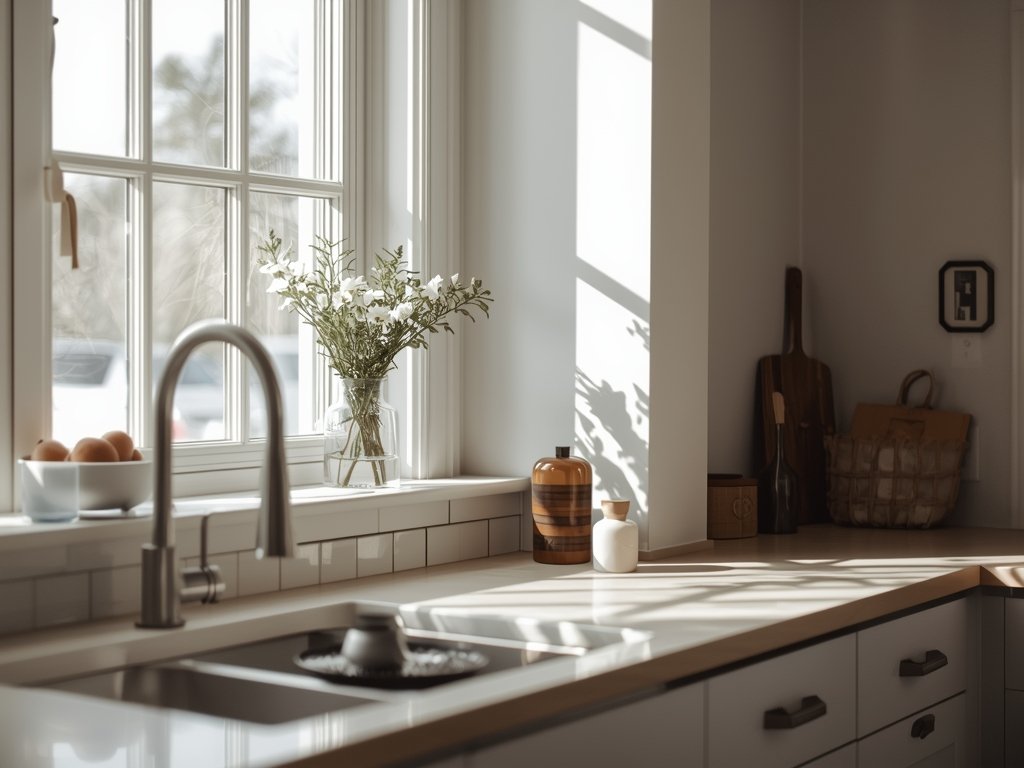
Before styling, decluttering is essential. In my experience, a clean slate allows for better design decisions. Remove all items and wipe down surfaces. What I have found to work best is categorizing essentials and storing the rest. Keep only daily-use items like a coffee maker or toaster.
Strategic Storage Solutions
Utilize cabinets and drawers for less-used items. Install pull-out organizers for utensils and spices. In my experience, this keeps counters tidy. What I have found to work best is using baskets for grouping similar items, ensuring easy access without clutter.
Choosing a Style: Setting the Tone
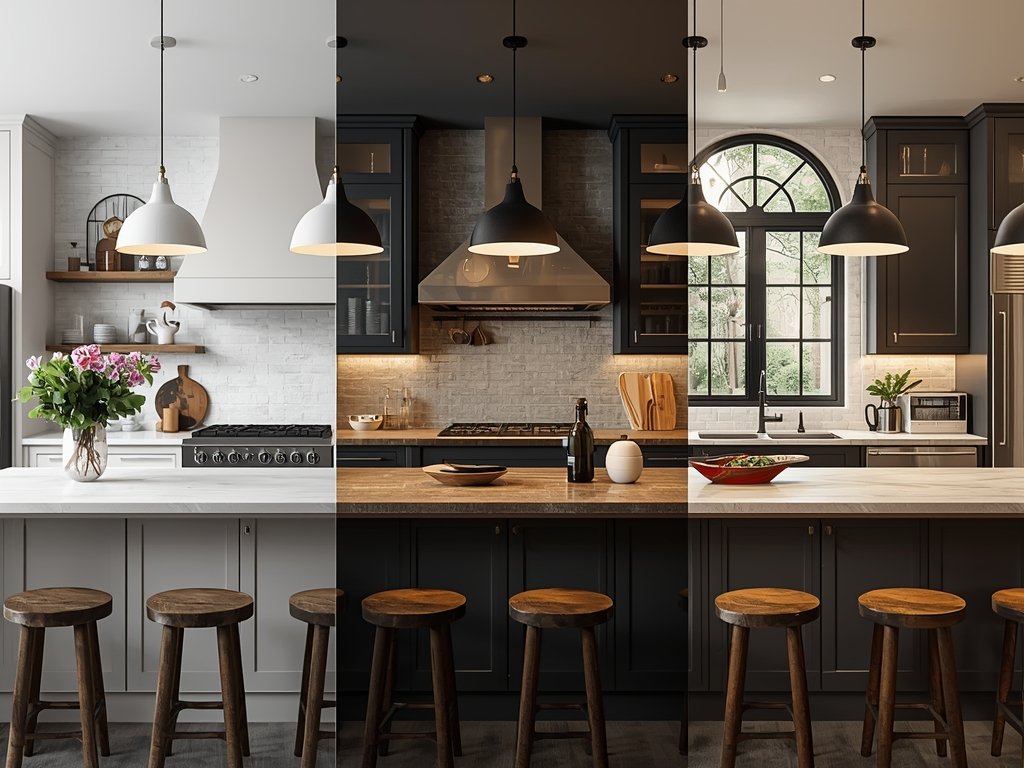
Selecting a style is crucial. In my experience, it ties the space together. What I have found to work best is aligning the counter style with the overall home aesthetic. For a cohesive look, consider the cabinetry, flooring, and wall colors.
Popular Styles to Consider
Minimalist designs focus on simplicity, using neutral colors and few decor items. Rustic styles incorporate natural elements like wood and stone. Modern glam features metallic accents and sleek lines. In my experience, mixing styles can create a unique look, but balance is key.
Essential Elements: What to Include
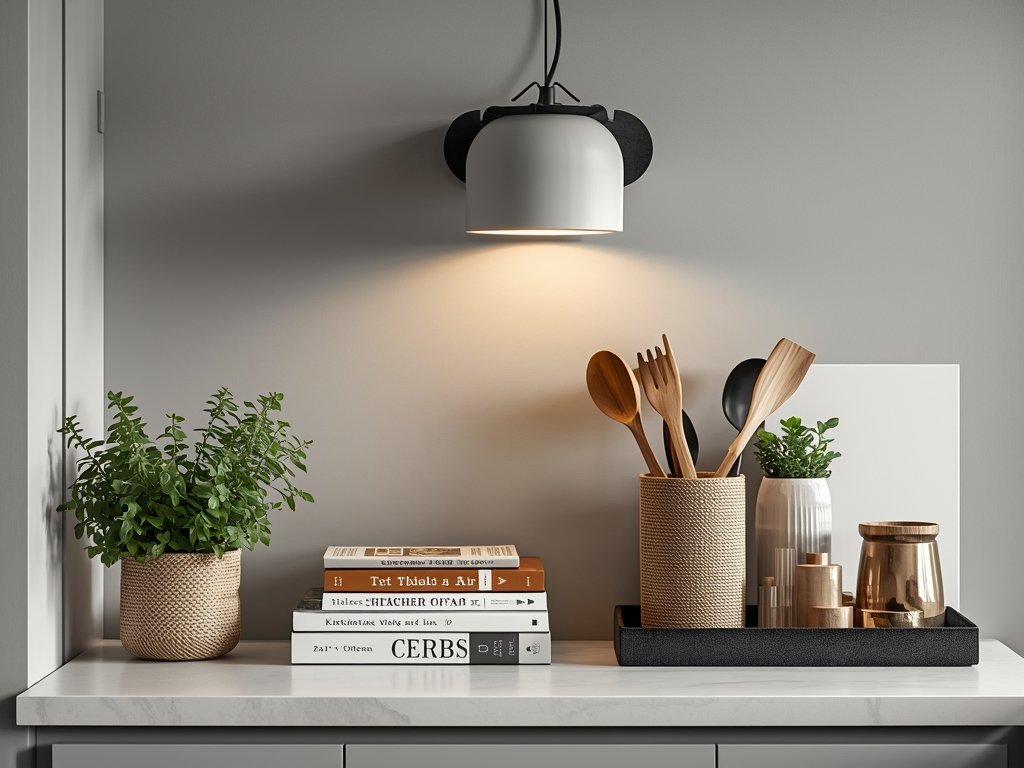
Incorporating the right elements elevates the counter. What I have found to work best is combining functionality with aesthetics. Include items that serve a purpose while adding visual interest. Plants, cookbooks, and decorative storage are excellent choices.
Greenery for Life
Adding plants brings freshness. In my experience, small potted herbs like basil or mint are practical and stylish. Place them in terracotta pots for a rustic touch or modern planters for a sleek look. Ensure they receive adequate sunlight.
Cookbooks as Decor
Stacking cookbooks adds warmth. What I have found to work best is selecting books with attractive covers. Place them vertically or horizontally, depending on the space. Pair with a small stand or tray for added elegance.
Color Coordination: Creating Harmony
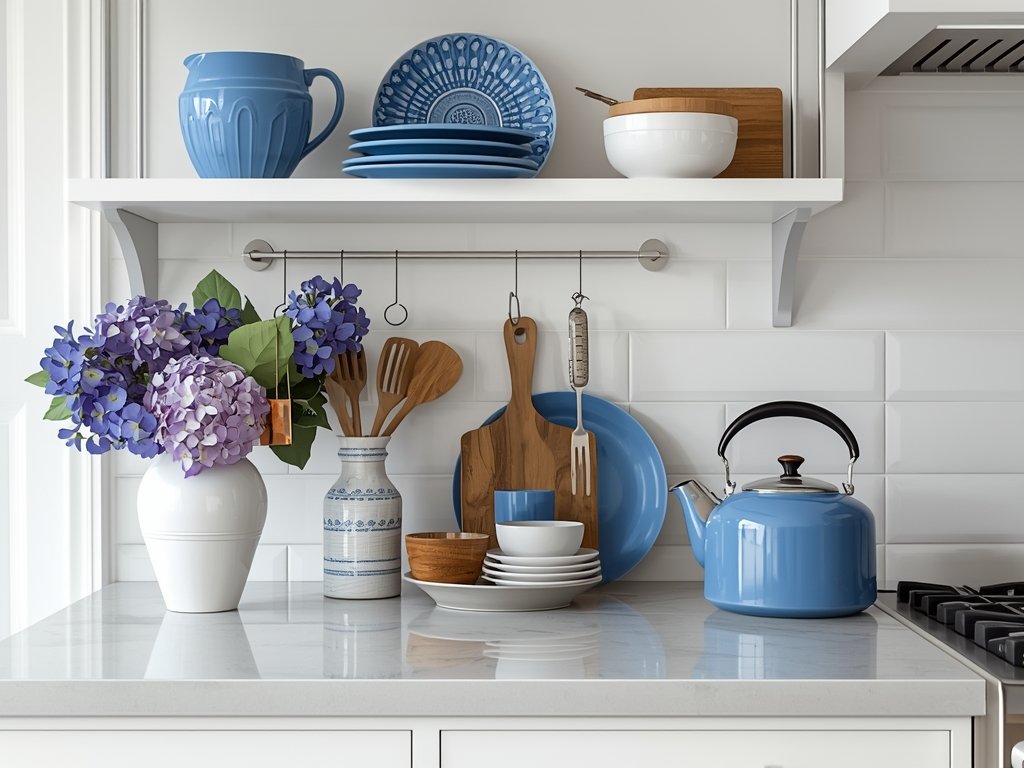
Color coordination is vital. In my experience, it creates a polished look. What I have found to work best is sticking to a maximum of three colors. Use the 60-30-10 rule: 60% dominant color, 30% secondary, and 10% accent.
Accent Pieces for Pop
Introduce accents through small items like a vase, kettle, or utensils. In my experience, metallic accents add sophistication. Copper or gold tones pair well with neutral backgrounds. Ensure accents complement the overall color scheme.
Functional Decor: Merging Utility and Beauty
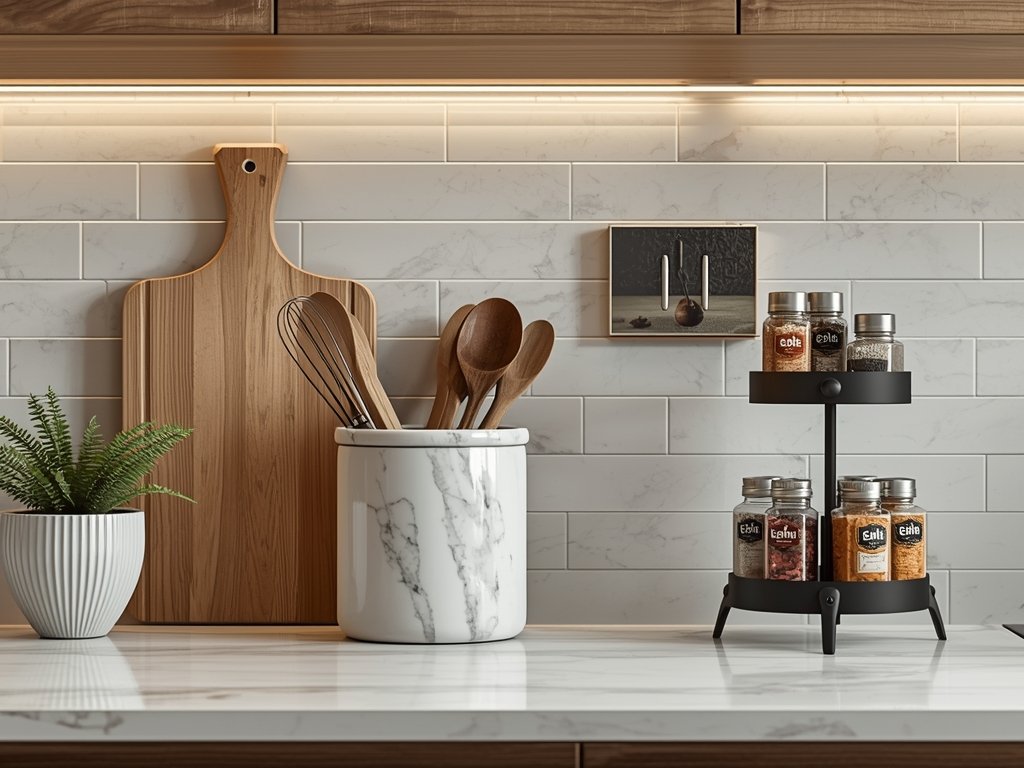
Functional decor is key. What I have found to work best is choosing items that are both useful and attractive. Marble cutting boards, utensil crocks, and tiered trays serve dual purposes. They keep essentials handy while enhancing the aesthetic.
Tiered Trays for Organization
Tiered trays are versatile. In my experience, they’re perfect for holding spices, oils, or decor. Arrange items by height for visual appeal. Use them as a focal point or to maximize corner space.
Lighting: Illuminating the Space
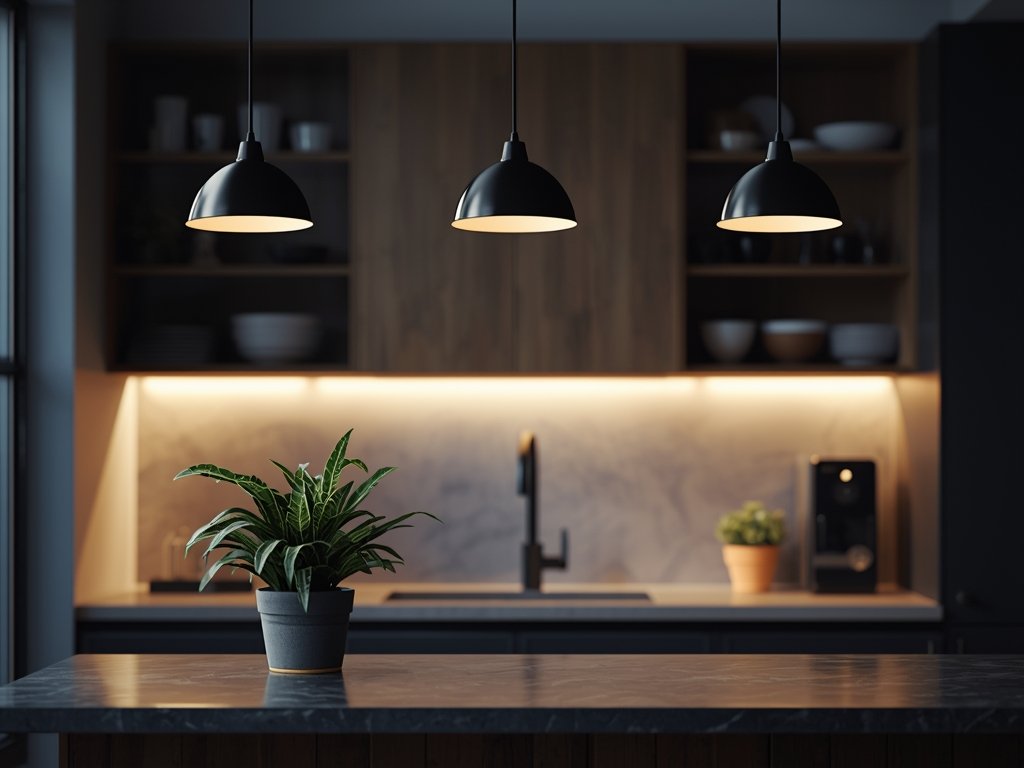
Lighting transforms the counter. What I have found to work best is layering light sources. Pendant lights above the counter and under-cabinet lighting create depth. In my experience, warm bulbs enhance the ambiance, making the space inviting.
Under-Cabinet Lighting Tips
Install LED strips for even illumination. In my experience, this highlights the counter while providing task lighting. Ensure the fixtures are discreet to maintain a clean look. Dimmable options offer flexibility for different moods.
Common Mistakes to Avoid
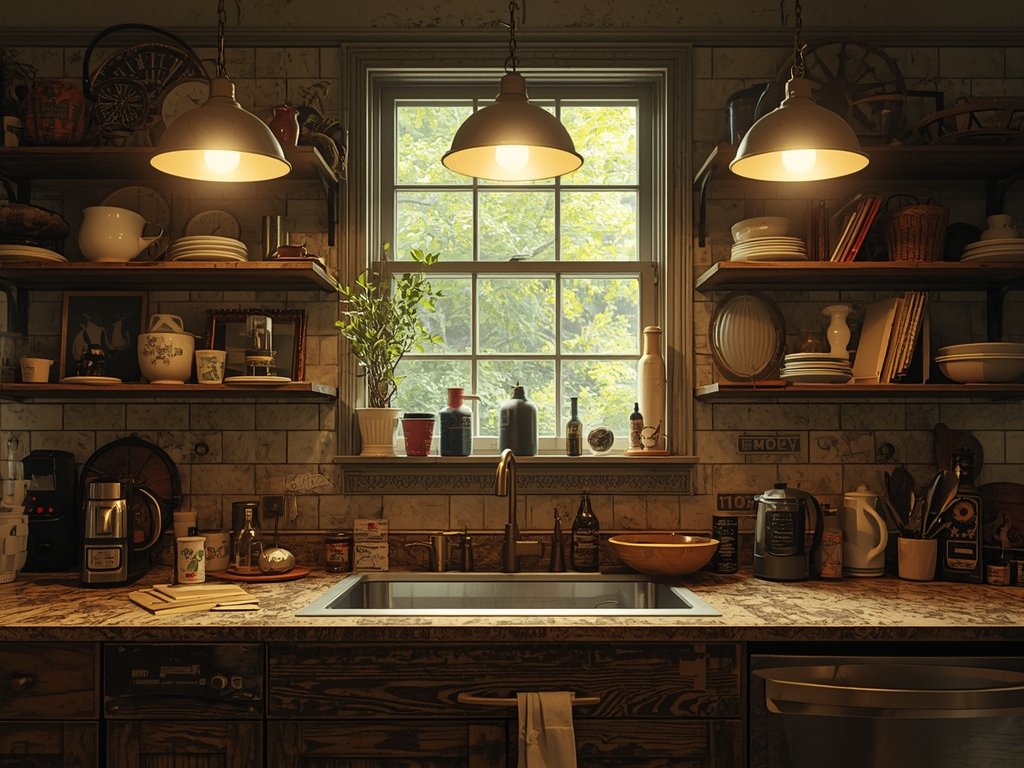
Avoiding common mistakes ensures success. In my experience, overloading counters is a frequent error. What I have found to work best is leaving ample space for food preparation. Another mistake is ignoring the overall style, resulting in a disjointed look.
Over-Decorating Pitfalls
Too many decor items can overwhelm the space. In my experience, less is more. What I have found to work best is selecting a few statement pieces and letting them shine. Avoid overcrowding by prioritizing functionality.
Pro Tips for Success
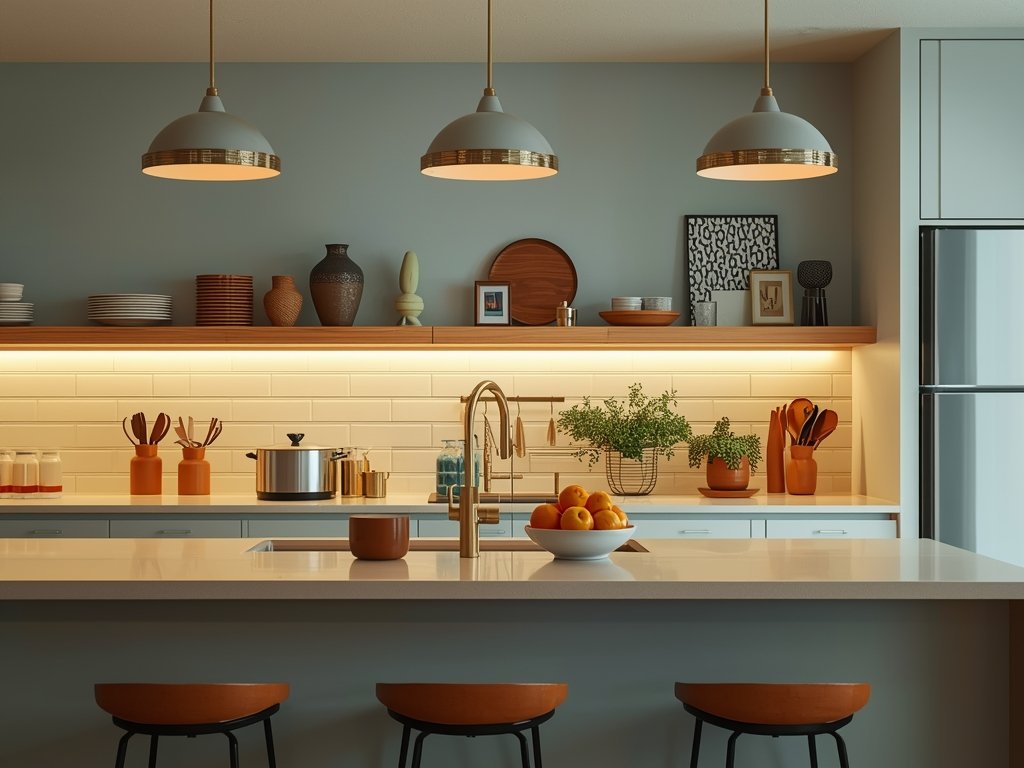
Implementing pro tips elevates the design. In my experience, consistency is key. What I have found to work best is repeating elements like textures or colors. Another tip is to regularly refresh the decor to keep the space feeling new.
Seasonal Updates
Switching decor seasonally keeps the counter dynamic. In my experience, small changes make a big impact. What I have found to work best is incorporating seasonal colors or themes. For example, add pumpkins in fall or fresh flowers in spring.
FAQ
How often should I update my kitchen counter decor?
Updating decor every few months keeps the space fresh. Seasonal changes are ideal, but even small tweaks can make a difference.
Can I mix different styles on my kitchen counter?
Yes, mixing styles can create a unique look. However, ensure there’s a unifying element like color or texture to maintain cohesion.
What’s the best way to store appliances on the counter?
Store only frequently used appliances. Use stylish covers or designate a specific area to keep them organized and visually appealing.
How do I choose the right plants for my kitchen counter?
Select low-maintenance plants like succulents or herbs. Ensure they receive adequate light and fit the overall style of the space.
What’s the ideal number of decor items for a kitchen counter?
Limit decor to 3-5 items to avoid clutter. Focus on quality over quantity, choosing pieces that serve both functional and aesthetic purposes.