The Power of Light: Transforming Your Living Room
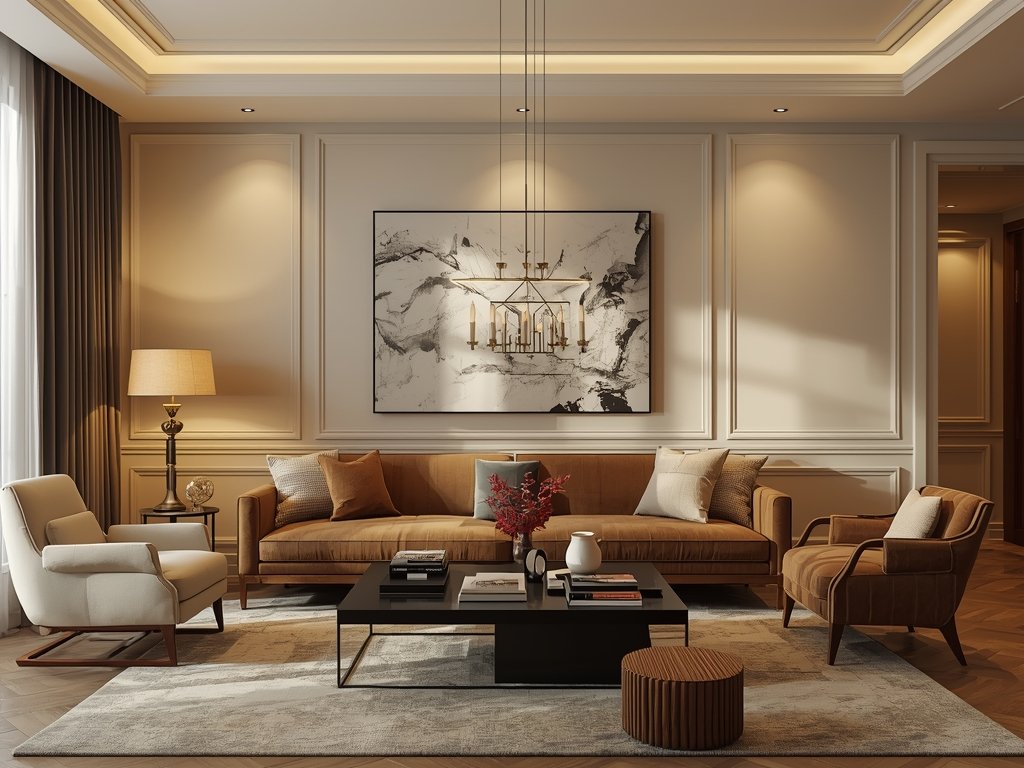
Living room lighting is an art that can dramatically alter the mood and functionality of your space. By combining ambient, task, and accent lighting, you can create a versatile environment that adapts to various activities, from cozy movie nights to vibrant social gatherings. The right lighting not only enhances the aesthetics but also influences the perceived size and atmosphere of the room.
Layering Light: The Foundation of Design
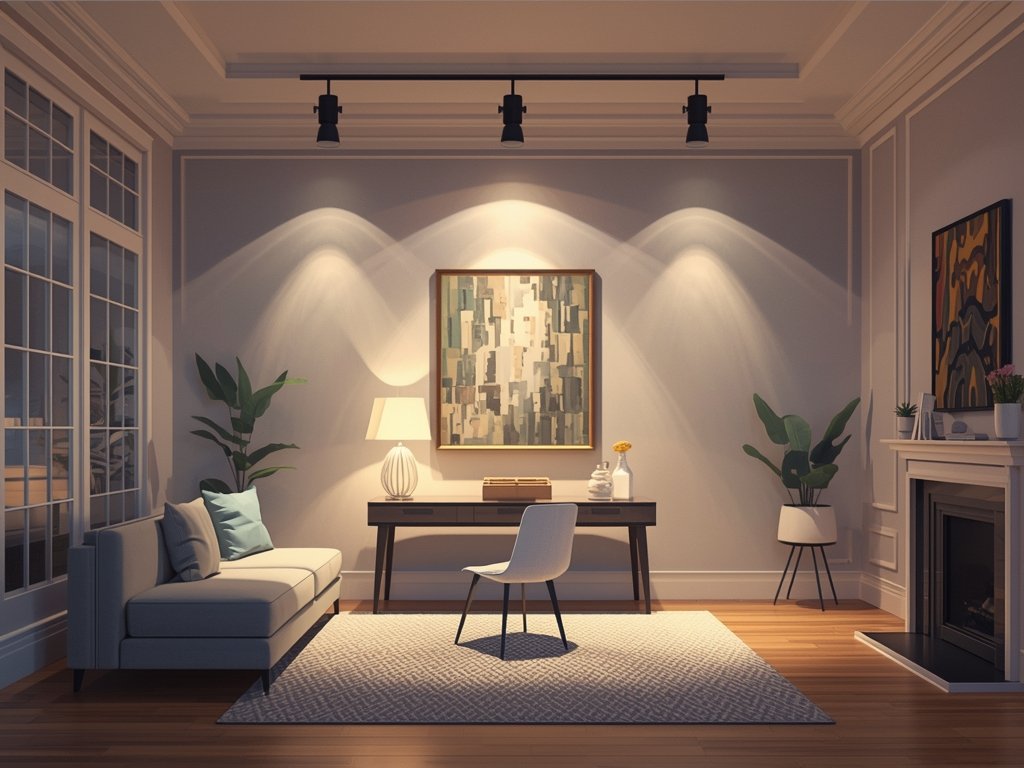
Layering is the secret to achieving a well-lit living room. This technique involves combining different types of lighting to create depth and dimension. Start with ambient lighting as your base, providing overall illumination. Then, add task lighting for specific activities, and finally, incorporate accent lighting to highlight architectural features or artwork.
This approach ensures that your living room is not only functional but also visually appealing, with a sense of balance and harmony.
Ambient Lighting: Setting the Mood
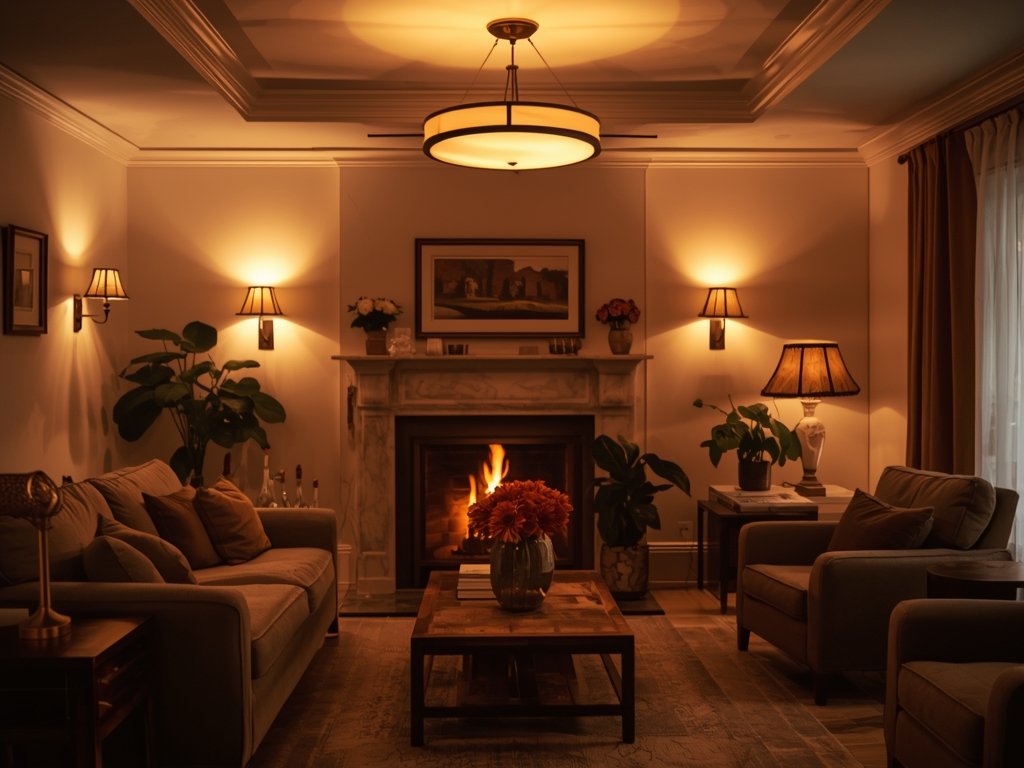
Ambient lighting is the backbone of your living room’s illumination. It provides a comfortable level of brightness, allowing you to navigate the space safely. Ceiling-mounted fixtures, such as chandeliers or recessed lights, are popular choices for ambient lighting.
For a more intimate feel, consider wall sconces or floor lamps with upward-facing shades, which cast a gentle glow on the walls and ceiling.
Task Lighting: Illuminating Activities
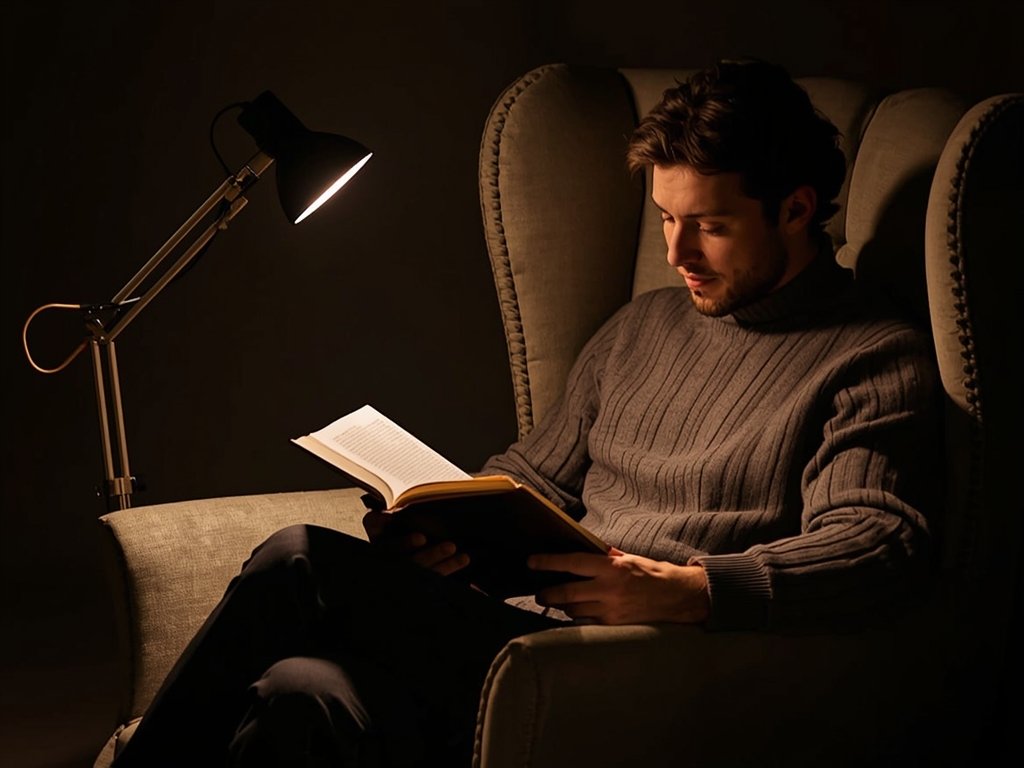
Task lighting is essential for activities that require precision and focus, such as reading, crafting, or working on a laptop. Table lamps, desk lamps, and adjustable floor lamps are ideal for this purpose.
Position task lights near seating areas or work surfaces to provide direct illumination without causing glare or eye strain.
Accent Lighting: Adding Drama and Focus
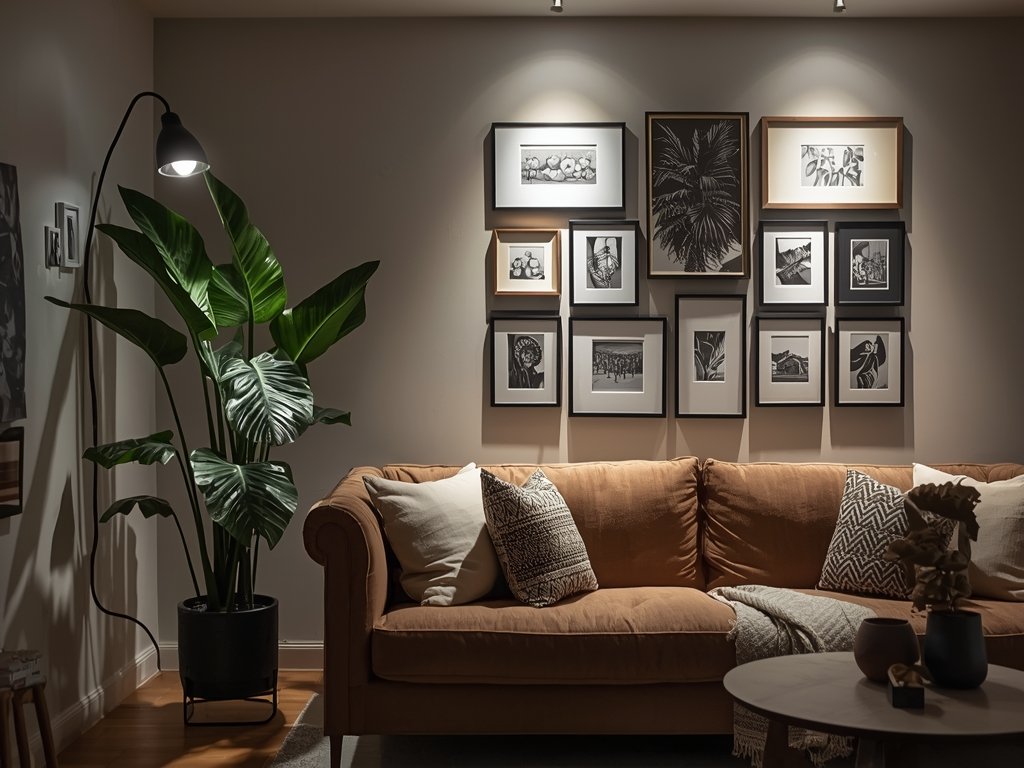
Accent lighting is the artist’s brushstroke in your lighting design. It adds depth and visual interest by highlighting specific areas or objects. Track lighting, recessed lights, or wall-mounted fixtures can be used to draw attention to artwork, architectural details, or even houseplants.
This type of lighting creates a sense of drama and can make your living room feel more spacious and dynamic.
Common Mistakes to Avoid

When it comes to living room lighting, there are a few pitfalls to watch out for. One common mistake is relying solely on overhead lighting, which can create harsh shadows and an unflattering atmosphere. Another error is neglecting task lighting, leading to eye strain and discomfort during activities.
Additionally, avoid using too many high-wattage bulbs, as this can result in an overly bright and clinical environment. Instead, opt for a mix of lighting sources and consider using dimmers to adjust the intensity.
Pro Tips for a Brilliant Living Room
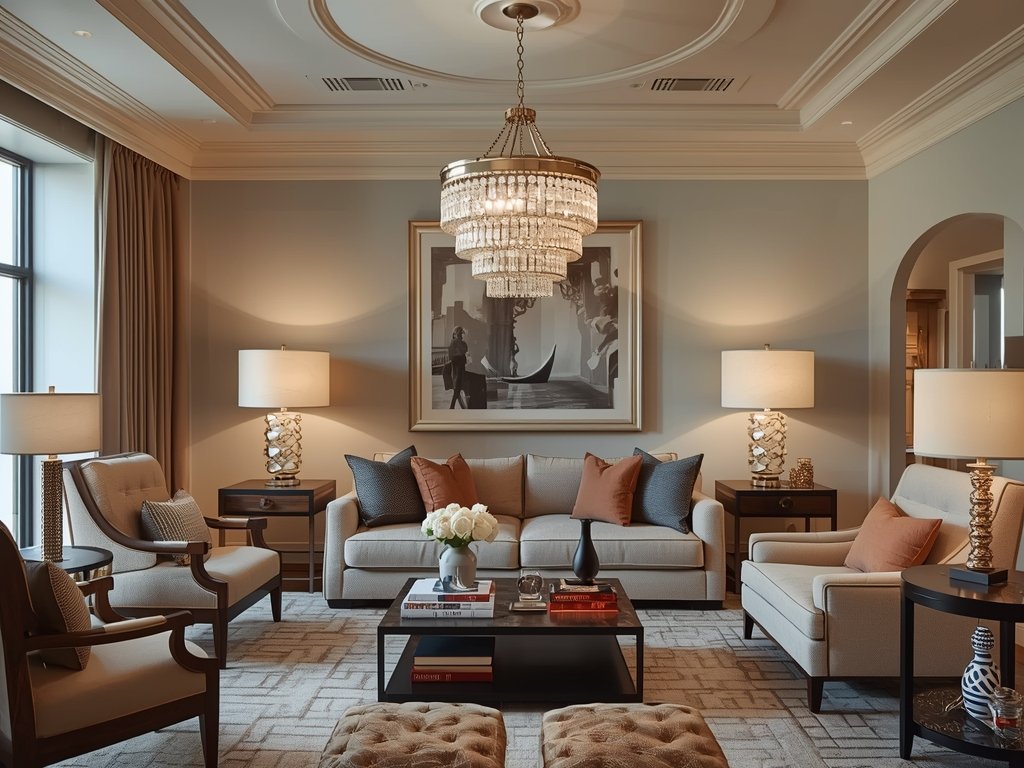
To create a truly exceptional living room lighting scheme, consider these expert tips. First, choose a central focal point, such as a statement chandelier or a unique floor lamp, to anchor the room’s design. Then, layer in additional lighting sources to create a sense of depth and balance.
Experiment with different bulb temperatures to set the desired mood. Warm white bulbs (2700K-3000K) create a cozy ambiance, while cooler temperatures (4000K-5000K) are ideal for task lighting. Finally, don’t forget the power of natural light. Use sheer curtains or blinds to filter sunlight during the day, and consider adding skylights or larger windows to brighten the space.
Statement Pieces: Making a Bold Impression
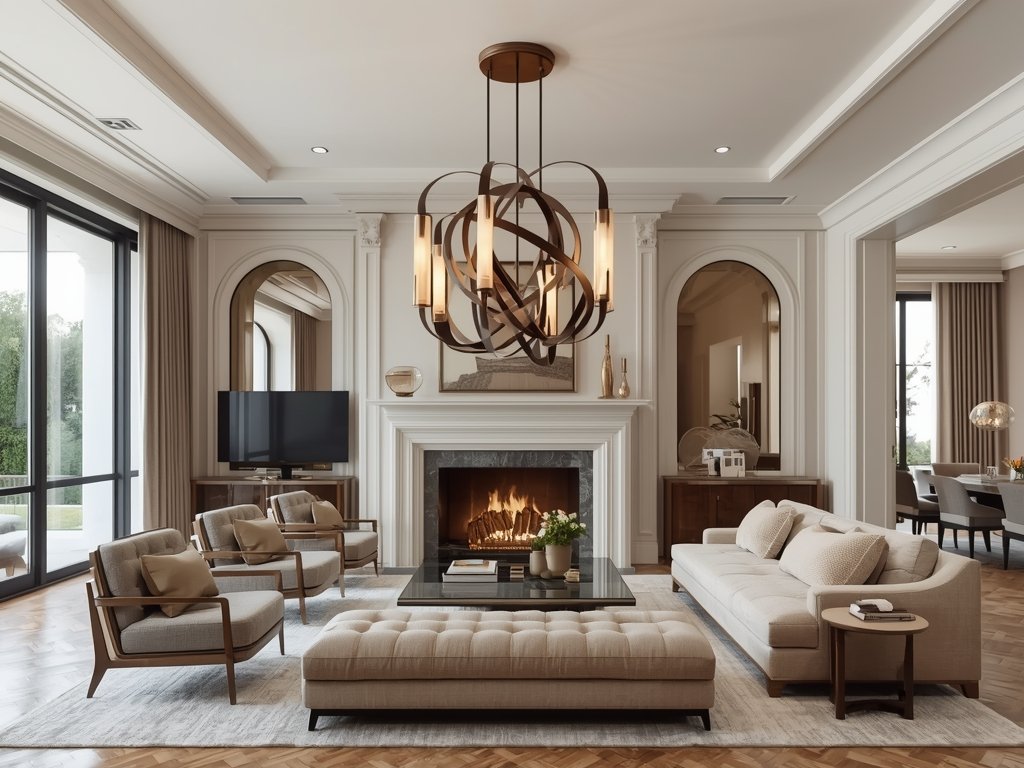
Incorporating statement lighting fixtures is an excellent way to add personality and style to your living room. A bold chandelier, an oversized floor lamp, or a unique table lamp can become a conversation starter and a focal point of the room.
When choosing a statement piece, consider the overall style of your living room and select a fixture that complements or contrasts with the existing decor. This approach adds a layer of visual interest and makes your space truly memorable.
Smart Lighting: The Future of Illumination
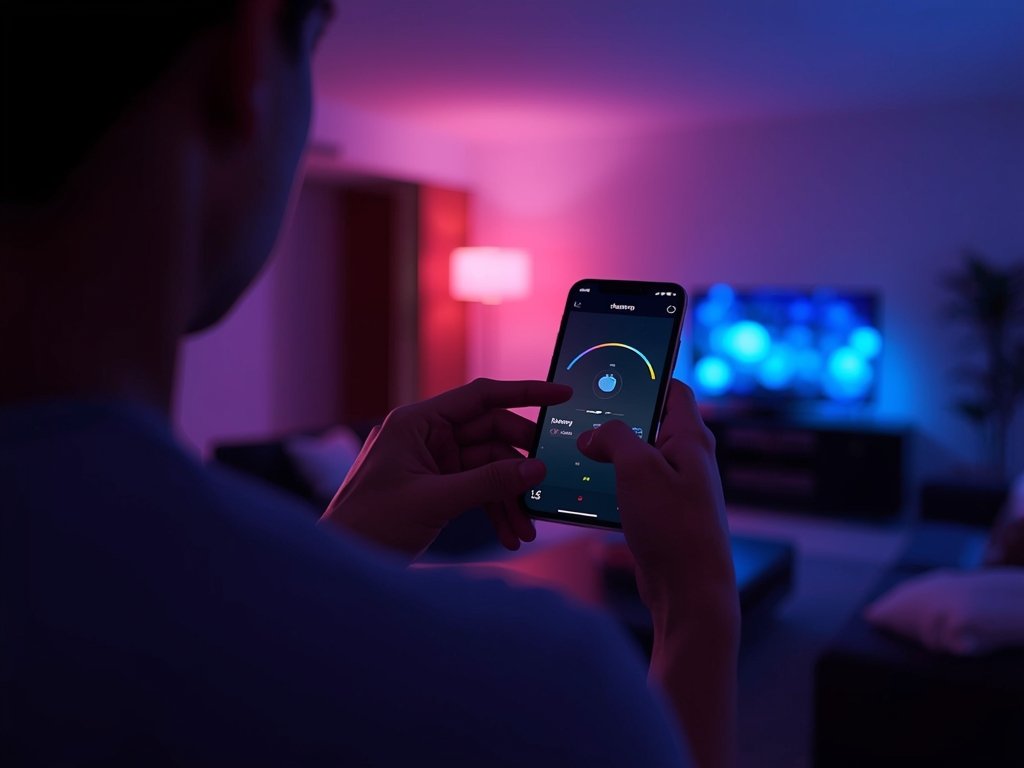
Smart lighting technology offers unprecedented control and convenience. With smart bulbs and fixtures, you can adjust brightness, color temperature, and even colors with a simple voice command or tap on your smartphone.
This technology allows you to create custom lighting scenes for different activities and moods. Imagine dimming the lights for a romantic dinner or setting a vibrant scene for a party, all without leaving your seat.
Natural Light: Embracing the Outdoors
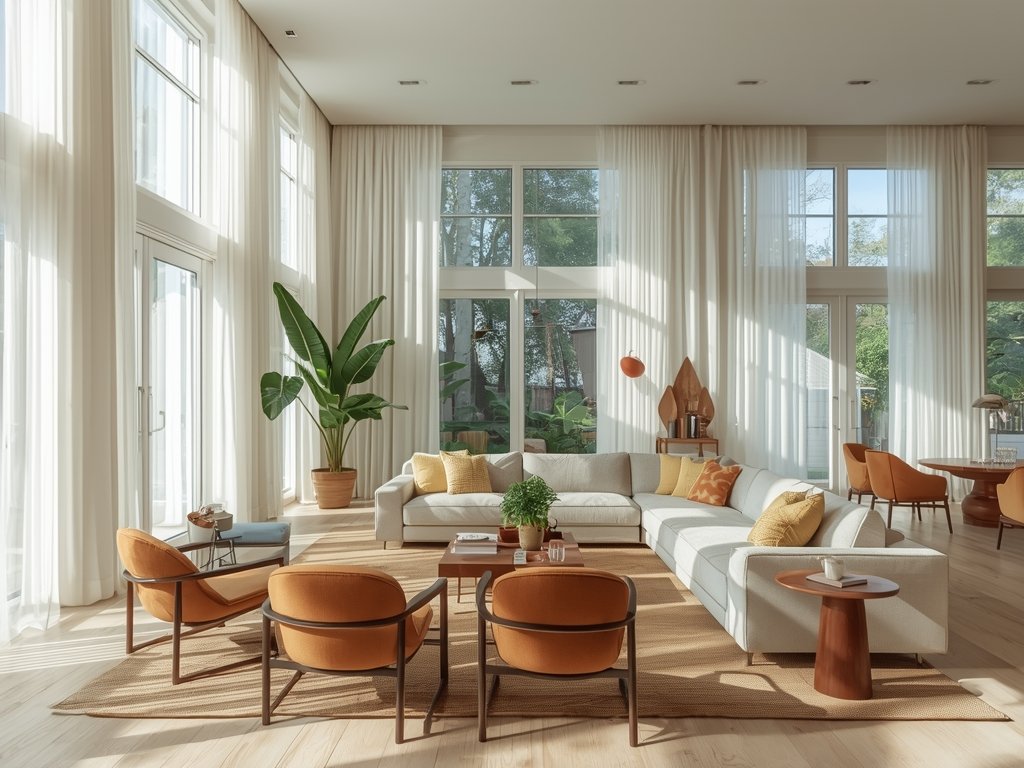
Natural light is a powerful tool in living room design. It not only brightens the space but also connects the indoors with the outdoors, creating a sense of openness and tranquility. Maximize natural light by using sheer curtains or blinds that filter sunlight without blocking the view.
Consider adding skylights or larger windows to increase the flow of natural light, especially in rooms with limited wall space. This approach not only enhances the aesthetics but also reduces the need for artificial lighting during the day, saving energy and costs.
FAQ
How can I make my living room feel more spacious with lighting?
To create the illusion of space, use recessed lighting or wall-mounted fixtures to draw the eye upward, making the ceiling feel higher. Additionally, place mirrors strategically to reflect light and create a sense of depth.
What’s the best lighting for a cozy movie night?
For a cozy movie night, opt for warm, dimmable lighting. Use floor lamps with upward-facing shades or wall sconces to create a soft, ambient glow. Avoid overhead lighting, as it can be too bright and distracting.
How do I choose the right bulb temperature?
Bulb temperature is measured in Kelvin (K). For a warm and inviting atmosphere, choose bulbs with a lower temperature (2700K-3000K). For task lighting or a more modern feel, go for cooler temperatures (4000K-5000K).
Can I mix different metal finishes in my lighting fixtures?
Absolutely! Mixing metal finishes adds visual interest and a sense of eclecticism. Just ensure that the finishes complement each other and the overall style of the room. For example, pair brass with black accents for a modern look or combine silver and gold for a more traditional feel.
How can I highlight my artwork with lighting?
Use accent lighting to draw attention to your artwork. Track lighting or adjustable recessed lights can be directed at the piece to create a spotlight effect. Ensure the light source is not too close to the artwork to avoid glare and potential damage.