
Open Kitchen Design: A Heartwarming Hub for Modern Living
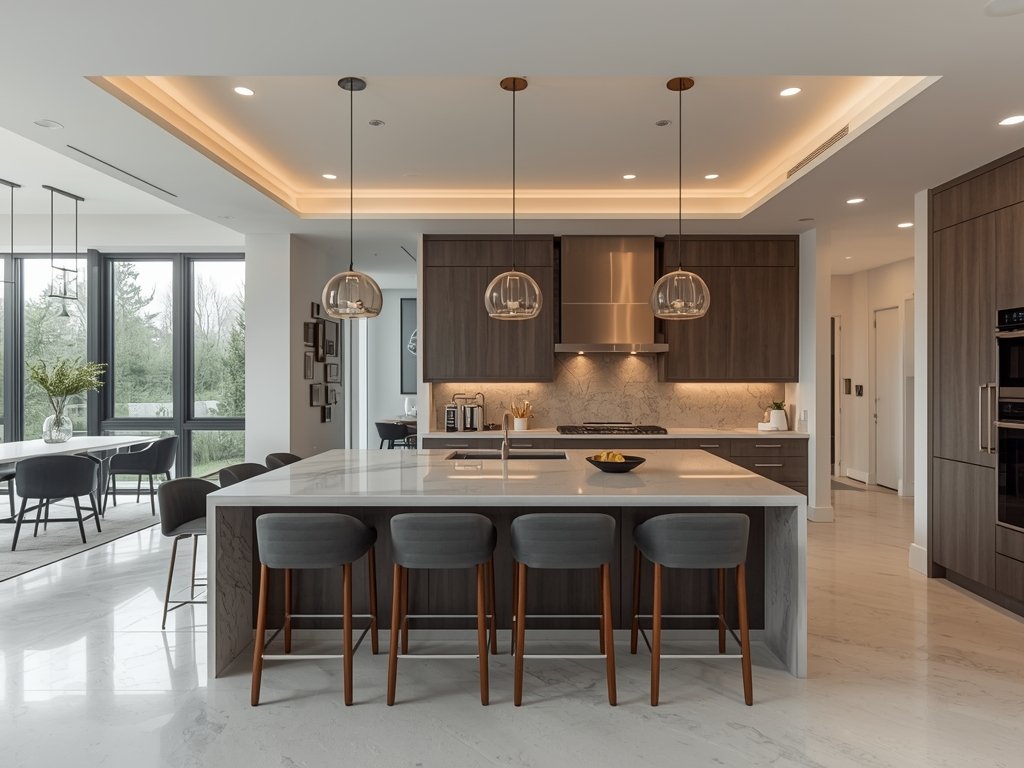
Open kitchen designs have become the cornerstone of modern homes, blending functionality with aesthetics to create a welcoming space for cooking, dining, and socializing. By removing barriers, these layouts foster connectivity between the kitchen and adjacent living areas, making them ideal for families and entertainers alike. Incorporating strategic elements like islands, smart storage, and cohesive color schemes can transform your kitchen into a stylish, efficient hub.
The Allure of Open Kitchens: Why They’re Here to Stay
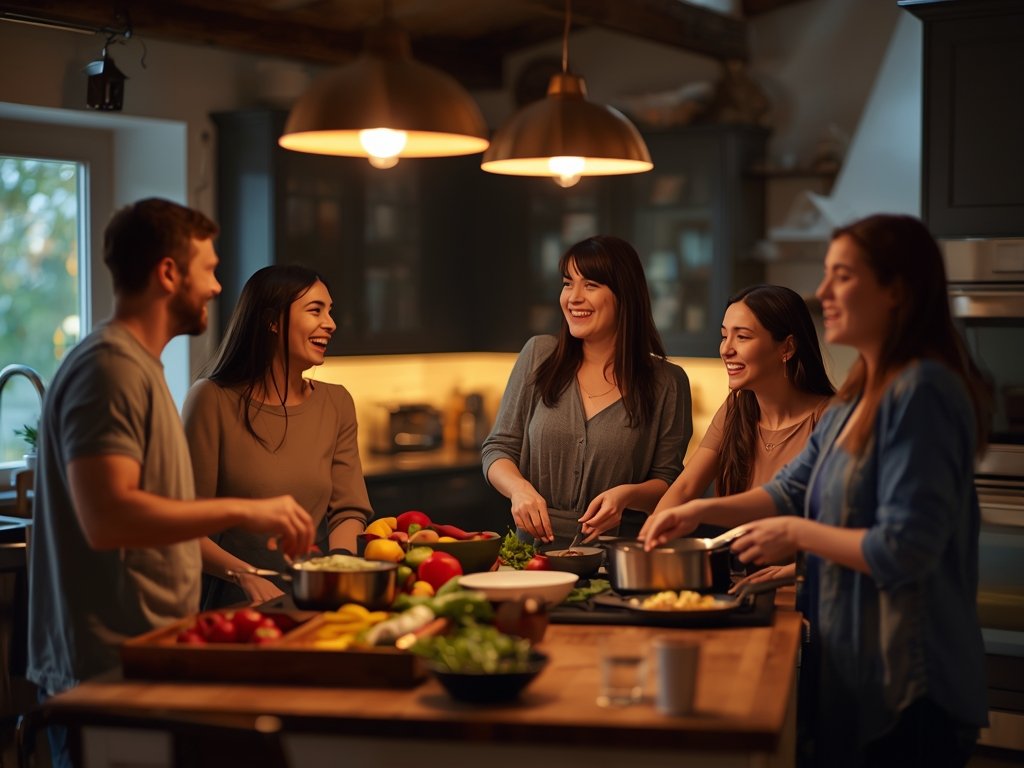
Open kitchens are more than a trend—they’re a lifestyle choice. In my experience, homeowners gravitate toward these designs for their ability to enhance interaction and flow. Whether you’re hosting a dinner party or supervising homework while prepping meals, the open layout ensures you’re always part of the action. What I have found to work best is integrating the kitchen seamlessly with the living and dining areas, using consistent materials and colors to create a unified look.
Layout Essentials: Maximizing Space and Flow
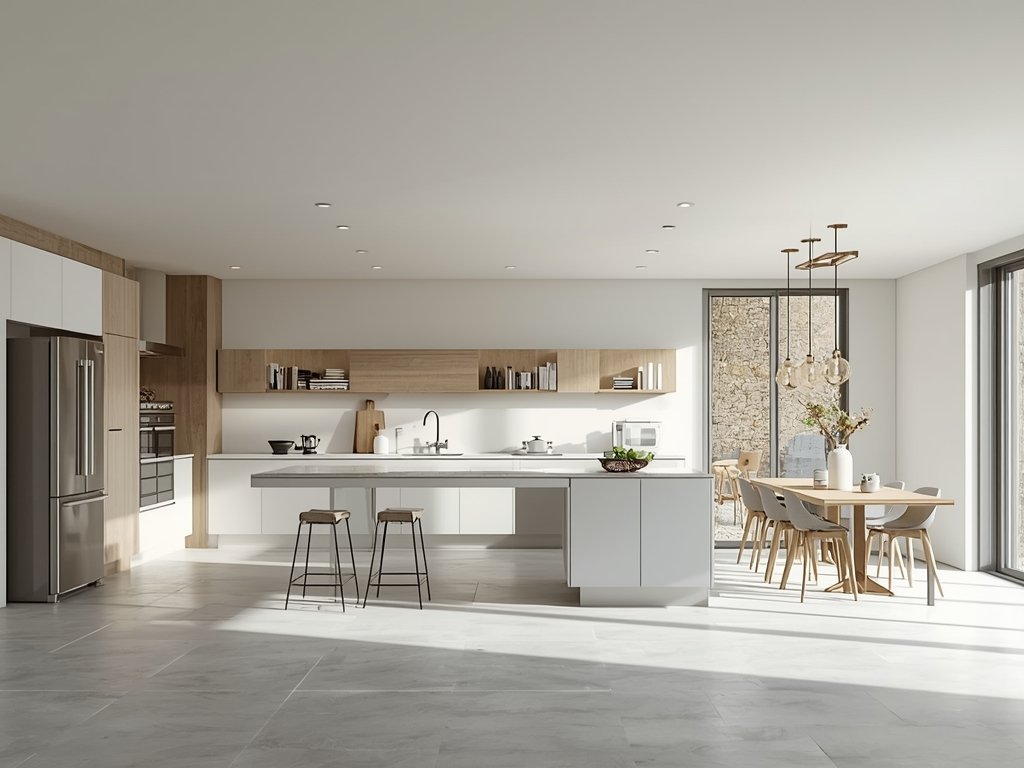
The key to a successful open kitchen lies in its layout. A well-planned design ensures smooth movement and efficient use of space. For smaller homes, a galley or L-shaped layout works wonders, while larger spaces benefit from U-shaped or island-centric designs. In my experience, leaving at least 42 inches of clearance between countertops and islands is crucial for comfortable navigation. Incorporating a peninsula can also define the kitchen area without closing it off.
Island Magic: The Focal Point of Open Kitchens
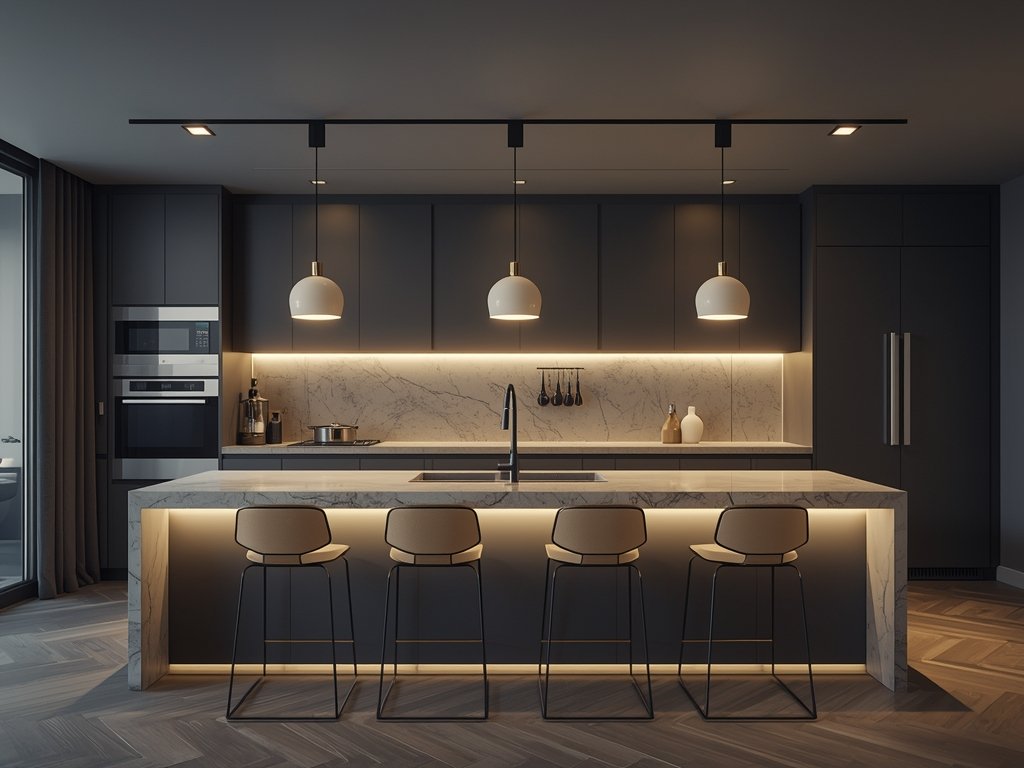
A kitchen island is often the star of an open design, serving as a prep area, dining spot, and gathering place. What I have found to work best is opting for an island that’s at least 24 inches wide and 48 inches long to ensure functionality. Adding features like a sink, cooktop, or storage cabinets can further enhance its utility. For a cohesive look, match the island’s material and finish to the surrounding cabinetry.
Smart Storage Solutions: Keeping Clutter at Bay
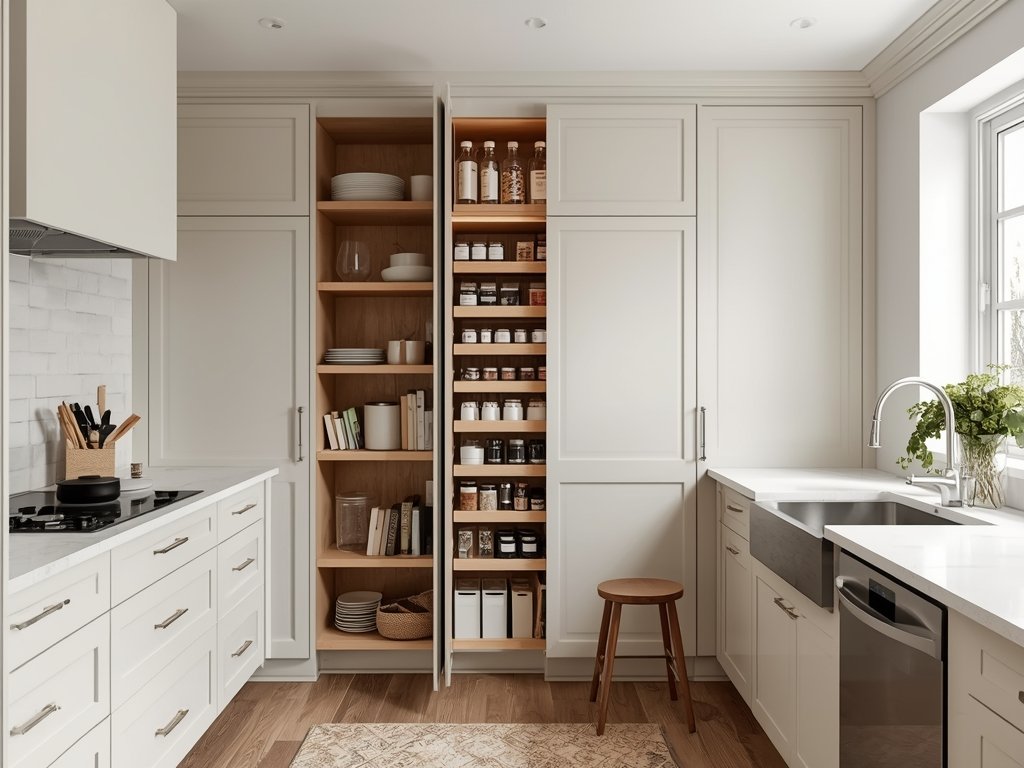
In open kitchens, storage must be both practical and discreet. Floor-to-ceiling cabinets, pull-out pantries, and built-in organizers are game-changers. In my experience, incorporating deep drawers for pots and pans and vertical dividers for baking sheets maximizes efficiency. For a seamless look, use cabinet fronts that match the surrounding walls or appliances, creating a clean, integrated aesthetic.
Material Matters: Choosing the Right Finishes

Materials play a pivotal role in defining the style and durability of your open kitchen. Quartz or granite countertops offer a luxurious, low-maintenance option, while hardwood or tile flooring adds warmth and durability. What I have found to work best is pairing neutral tones with bold accents, such as a matte black faucet or brass hardware, to create visual interest without overwhelming the space.
Backsplash Brilliance: Adding Personality to Your Kitchen
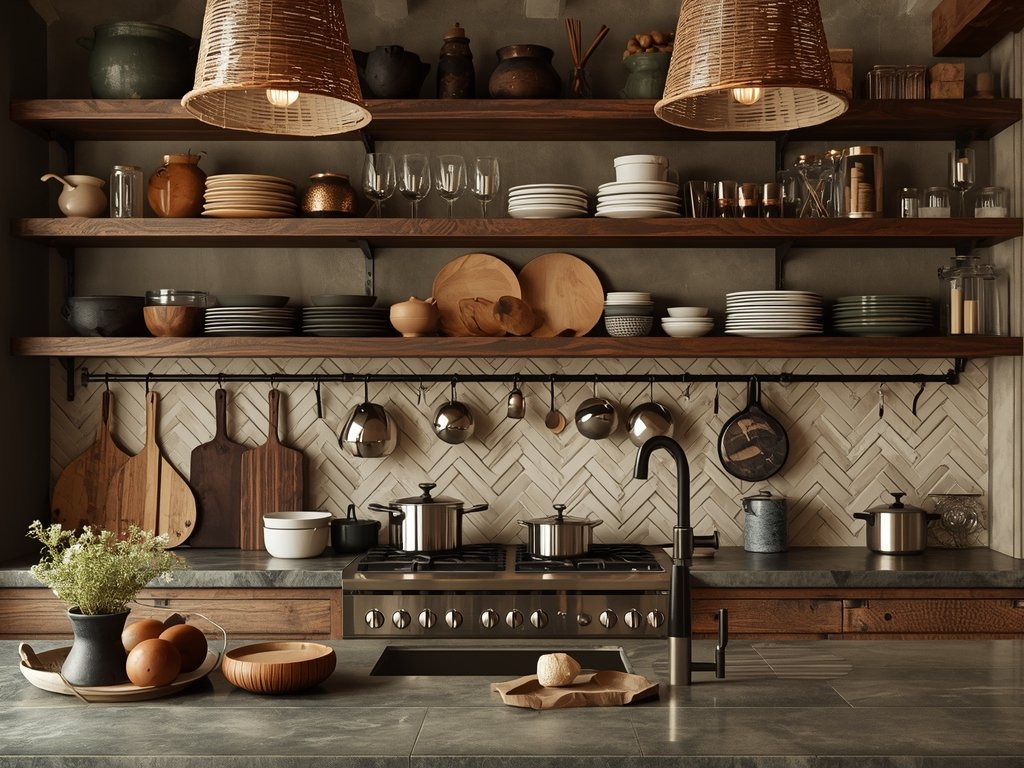
The backsplash is your opportunity to inject personality into the kitchen. Subway tiles are timeless, but herringbone patterns or bold colors can make a statement. In my experience, keeping the backsplash cohesive with the overall color scheme ensures it complements rather than competes with other elements. For a modern twist, consider using mirrored or textured tiles to reflect light and create depth.
Lighting Strategies: Setting the Mood
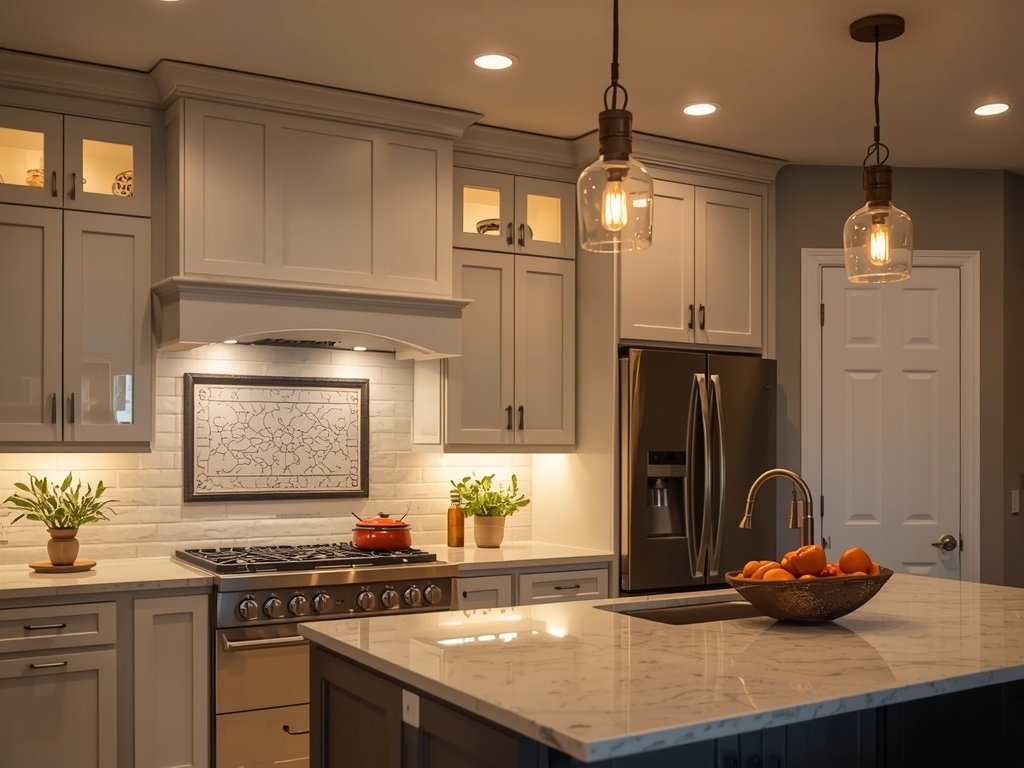
Lighting is essential in open kitchens, serving both functional and aesthetic purposes. Recessed ceiling lights provide overall illumination, while under-cabinet lighting brightens workspaces. What I have found to work best is layering light sources—adding pendant lights over the island or a statement chandelier above the dining area—to create a dynamic, inviting atmosphere. Dimmer switches allow you to adjust the mood for different occasions.
Natural Light: Harnessing the Power of the Sun
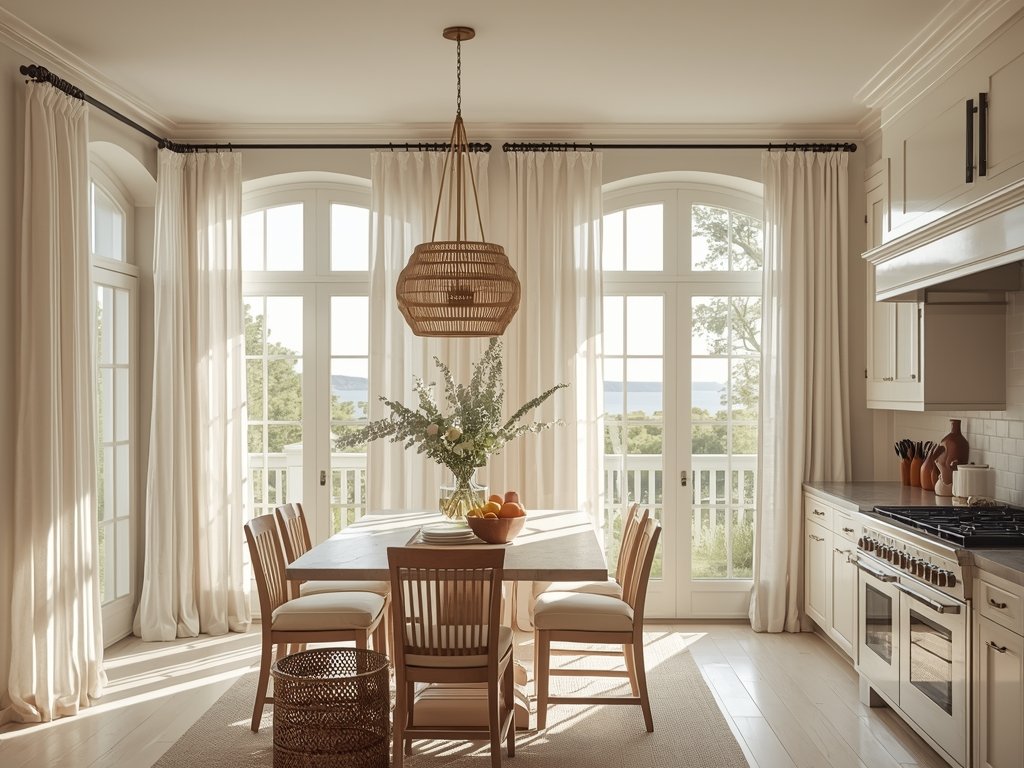
Maximizing natural light is key to making an open kitchen feel spacious and welcoming. Large windows or skylights flood the space with daylight, reducing the need for artificial lighting during the day. In my experience, using sheer curtains or blinds allows you to control privacy without blocking sunlight. Placing reflective surfaces like mirrors or glossy cabinets near windows amplifies the light’s reach.
Common Mistakes to Avoid in Open Kitchen Design
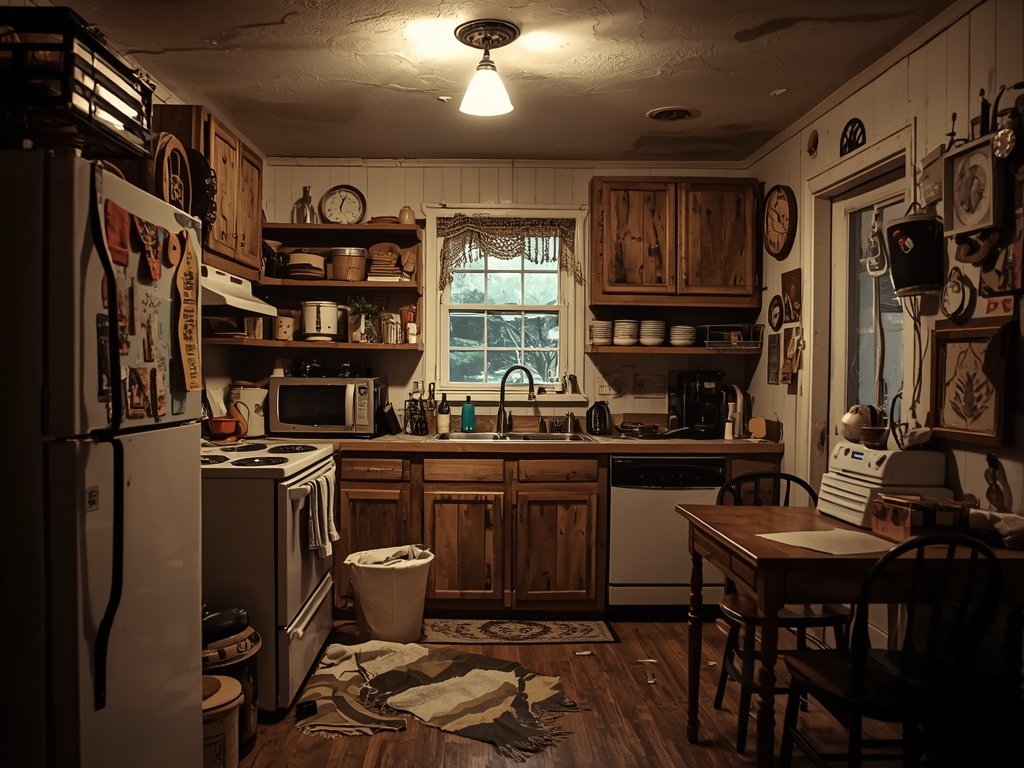
Even the most well-intentioned designs can fall short without careful planning. A common mistake is neglecting proper ventilation, which can lead to odors permeating the entire home. In my experience, investing in a high-quality range hood is non-negotiable. Another pitfall is overloading the space with too many decorative elements, which can make it feel cramped. Stick to a cohesive color palette and avoid excessive ornamentation.
Pro Tips for Success: Elevating Your Open Kitchen
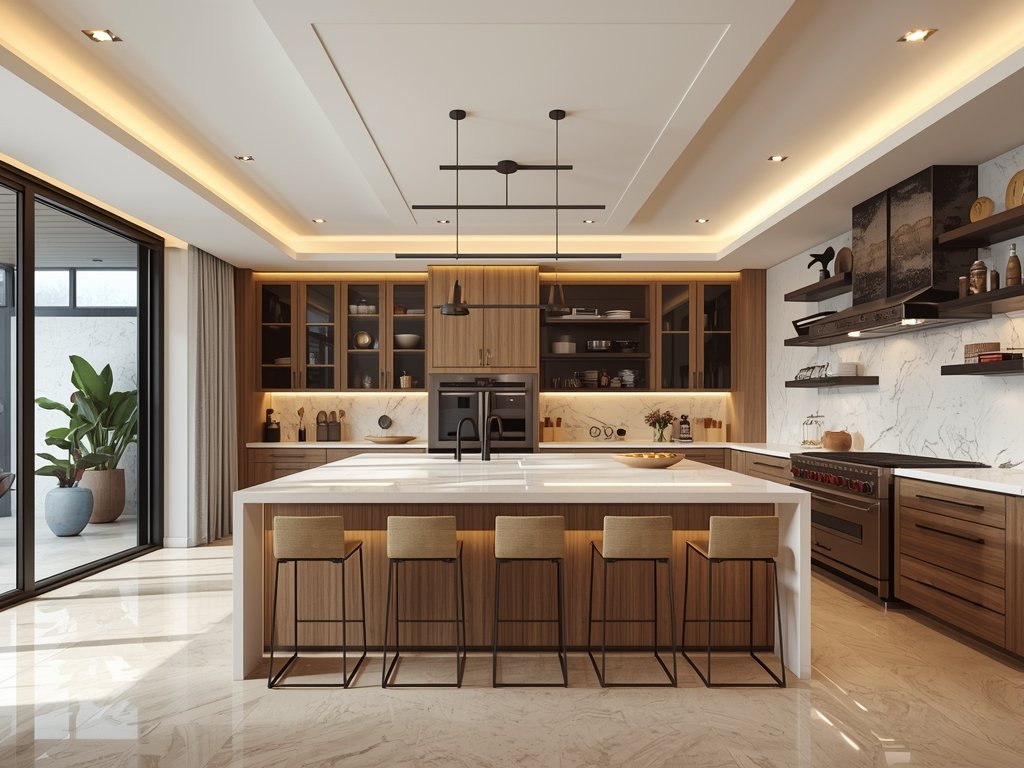
To take your open kitchen to the next level, focus on details that blend form and function. What I have found to work best is incorporating a focal point, such as a statement range or a unique light fixture, to anchor the space. Adding greenery, like potted herbs or hanging plants, brings life and freshness to the kitchen. Finally, ensure your design aligns with your lifestyle—whether you’re a gourmet chef or a busy parent, tailor the layout to your needs.
FAQ
How much space do I need for an open kitchen design?
Ideally, an open kitchen should have at least 120 square feet of space to ensure functionality and flow. However, smaller layouts can work with smart planning.
What’s the best way to define zones in an open kitchen?
Use area rugs, pendant lights, or changes in flooring to delineate zones without disrupting the open feel.
Can I incorporate an open kitchen in a small home?
Absolutely! Opt for a compact layout, like a galley or L-shaped design, and prioritize vertical storage to maximize space.
How do I choose the right color scheme for my open kitchen?
Neutral tones like white, gray, or beige create a timeless look, while accents in bold colors or metallics add personality.