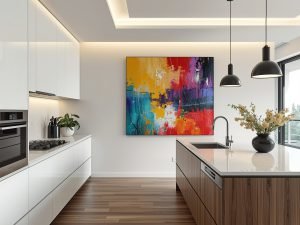
Neutral Color Living Room: A Timeless Canvas
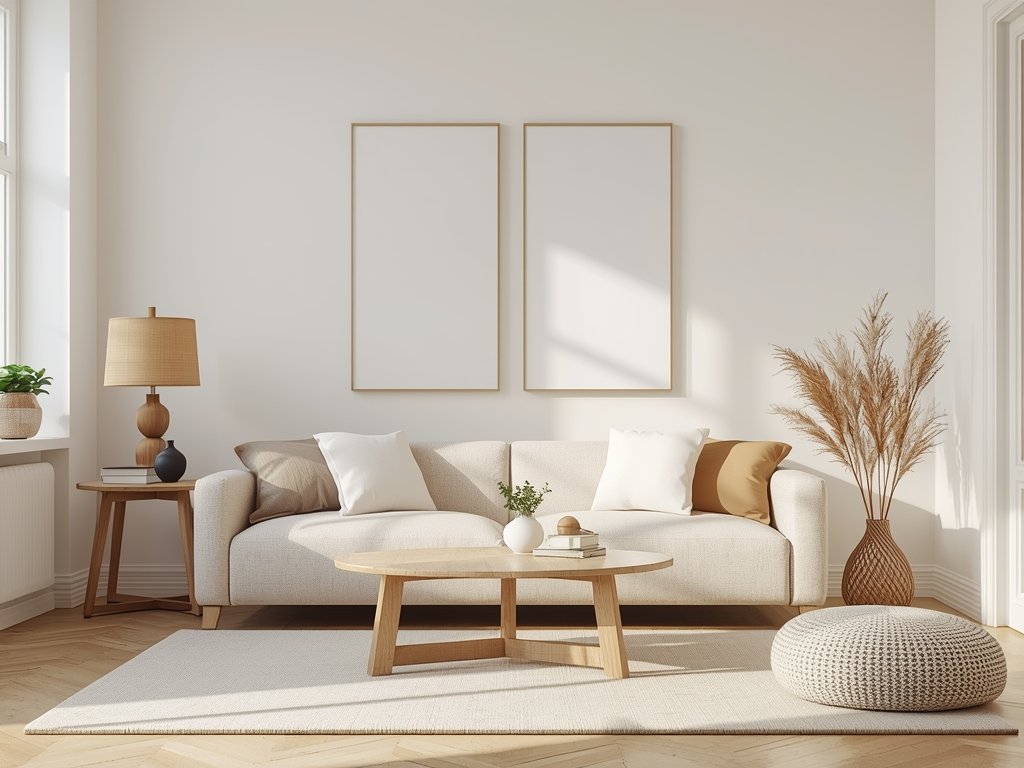
Neutral color living rooms offer a timeless, versatile, and calming space that adapts to various styles and personalities. By focusing on shades like beige, gray, white, and taupe, you create a foundation that’s both elegant and easy to update. Incorporate textures, layers, and subtle accents to add depth without overwhelming the senses.
Why Neutral Tones Dominate Interior Design
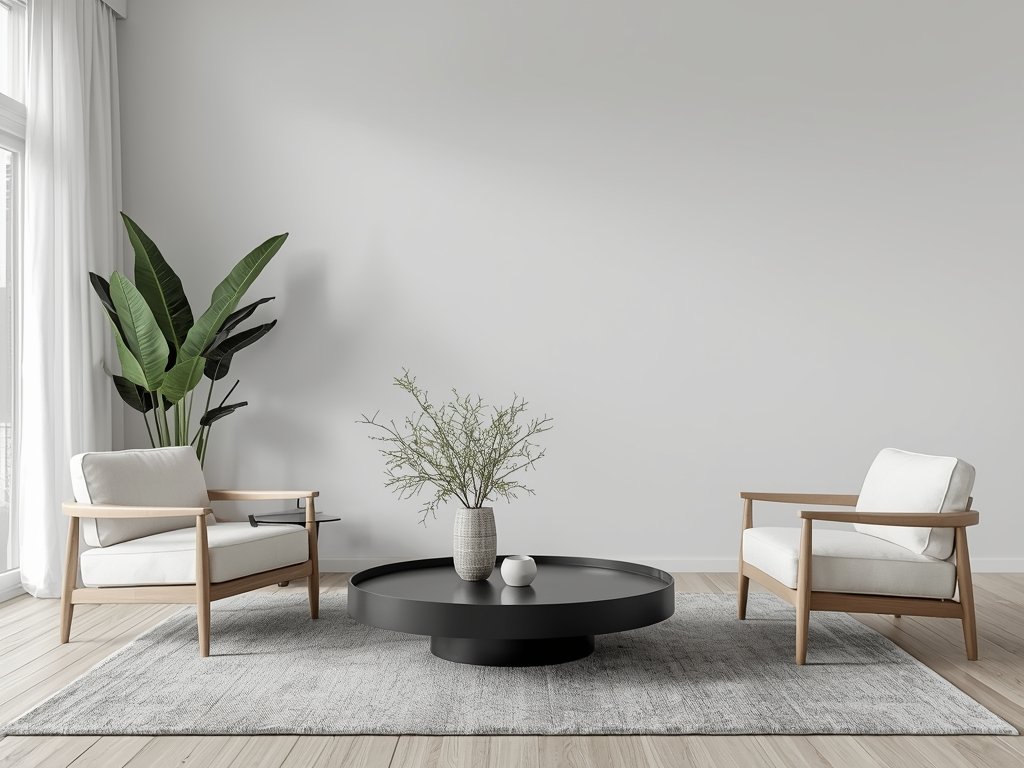
Neutral tones dominate interior design because they provide a serene backdrop that enhances relaxation and versatility. Unlike bold colors, neutrals don’t compete for attention, allowing furniture and decor to shine. They also reflect light, making spaces appear larger and brighter, which is especially beneficial for smaller living rooms.
Choosing the Right Neutral Palette
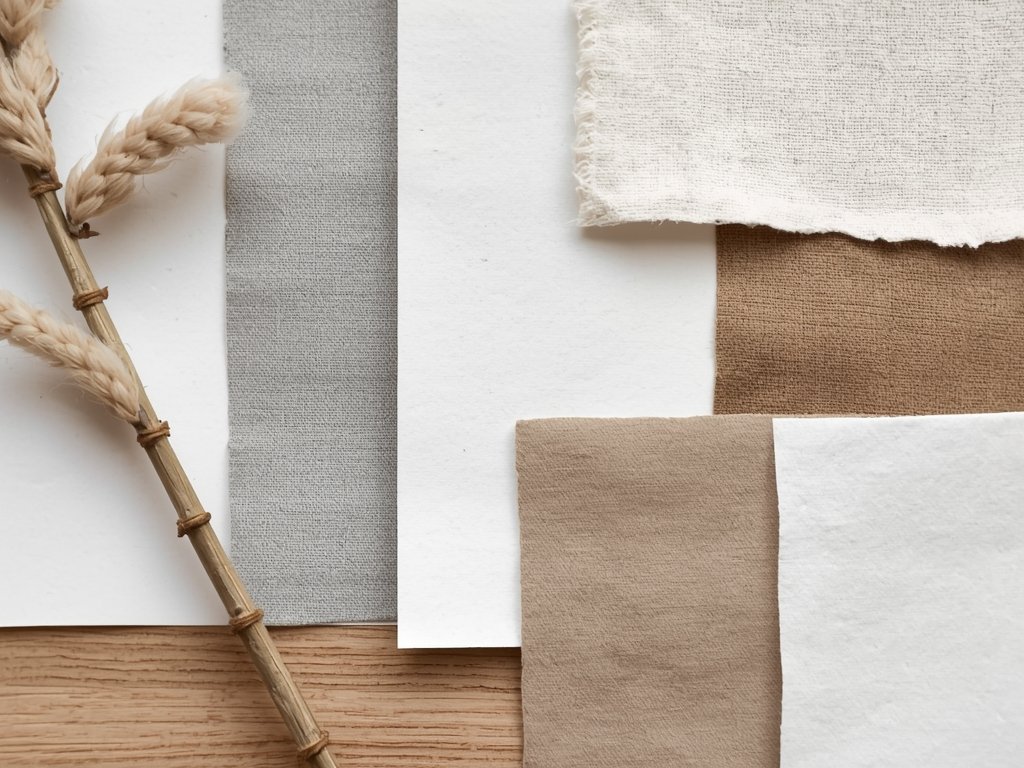
Selecting the right neutral palette starts with understanding undertones. Warm neutrals like beige and taupe create a cozy atmosphere, while cool tones like gray and white evoke modernity. Consider the room’s lighting—north-facing rooms benefit from warmer shades, while south-facing spaces can handle cooler tones.
Warm vs. Cool Neutrals: What’s Your Vibe?
Warm neutrals bring a sense of comfort and intimacy, perfect for family-oriented living rooms. Cool neutrals, on the other hand, offer a sleek, contemporary feel. Mix both for a balanced look, using warm neutrals on walls and cool tones for accents.
Layering Textures for Depth
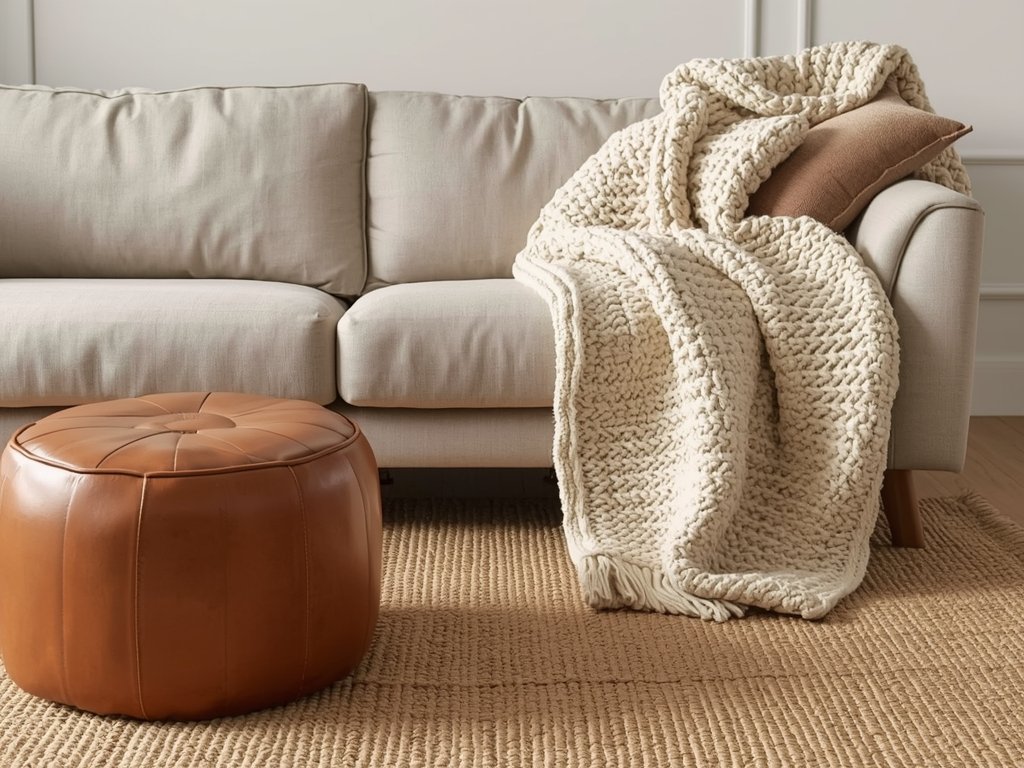
Layering textures is essential in neutral living rooms to prevent monotony. Combine soft fabrics like linen and wool with harder elements like wood or metal. A plush rug, woven baskets, and velvet cushions add visual interest without relying on color.
Mixing Materials: Wood, Metal, and Fabric
Incorporate a variety of materials to create a dynamic space. Pair a wooden coffee table with a metal lamp and fabric-covered chairs. This blend of textures keeps the room inviting and multidimensional, even within a neutral palette.
Incorporating Subtle Accents
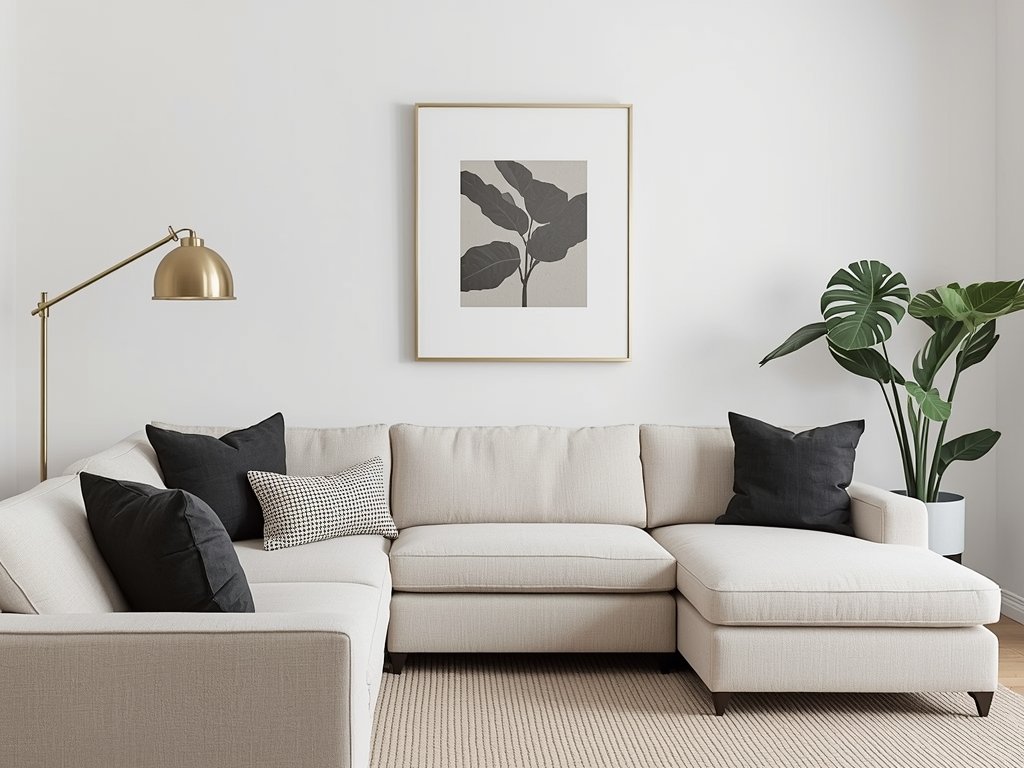
Subtle accents add personality to a neutral living room without disrupting its calmness. Use black or brass elements for a touch of sophistication, or introduce greenery for a natural pop. Keep accents minimal to maintain the room’s serene vibe.
Greenery: The Natural Accent
Plants like fiddle leaf figs or snake plants bring life to neutral spaces. Their vibrant green leaves contrast beautifully with muted tones, adding freshness and texture. Place them in corners or on shelves for a balanced look.
Lighting: The Secret to Neutral Ambiance
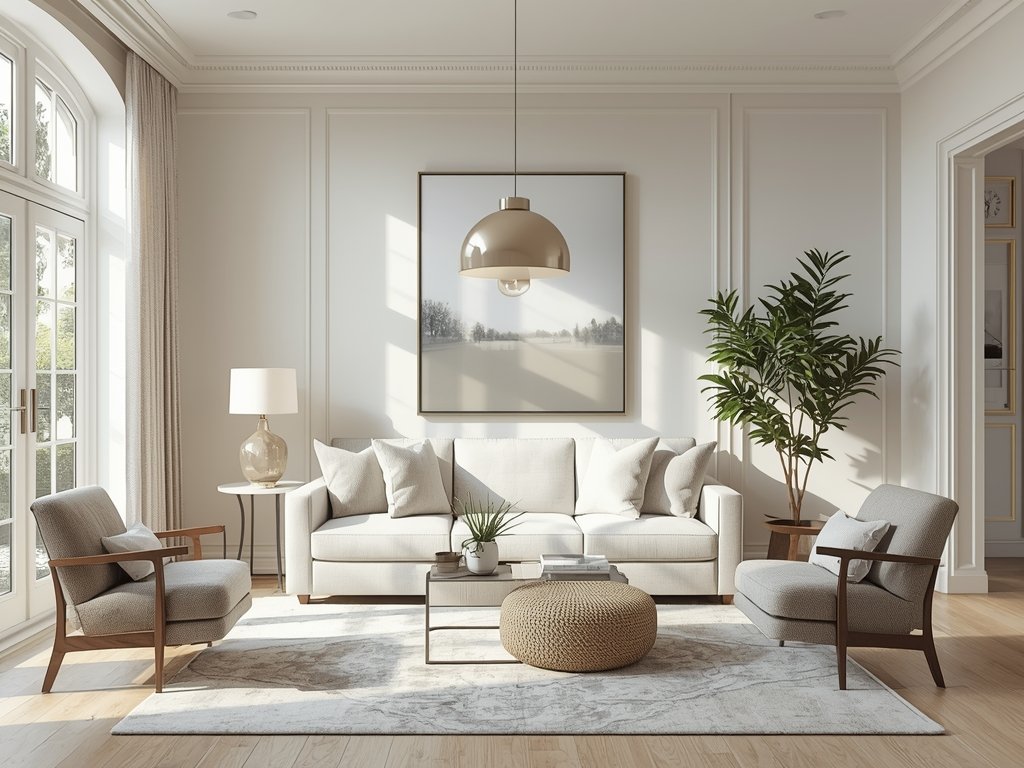
Lighting plays a crucial role in neutral living rooms, enhancing their ambiance. Use a mix of natural light, overhead fixtures, and table lamps to create layers. Warm, soft lighting complements neutral tones, making the space feel cozy and welcoming.
Natural Light vs. Artificial Lighting
Maximize natural light with sheer curtains or mirrors. For evenings, opt for warm-toned bulbs in lamps and sconces. Avoid harsh, cool lighting, as it can make neutral spaces feel sterile.
Common Mistakes to Avoid
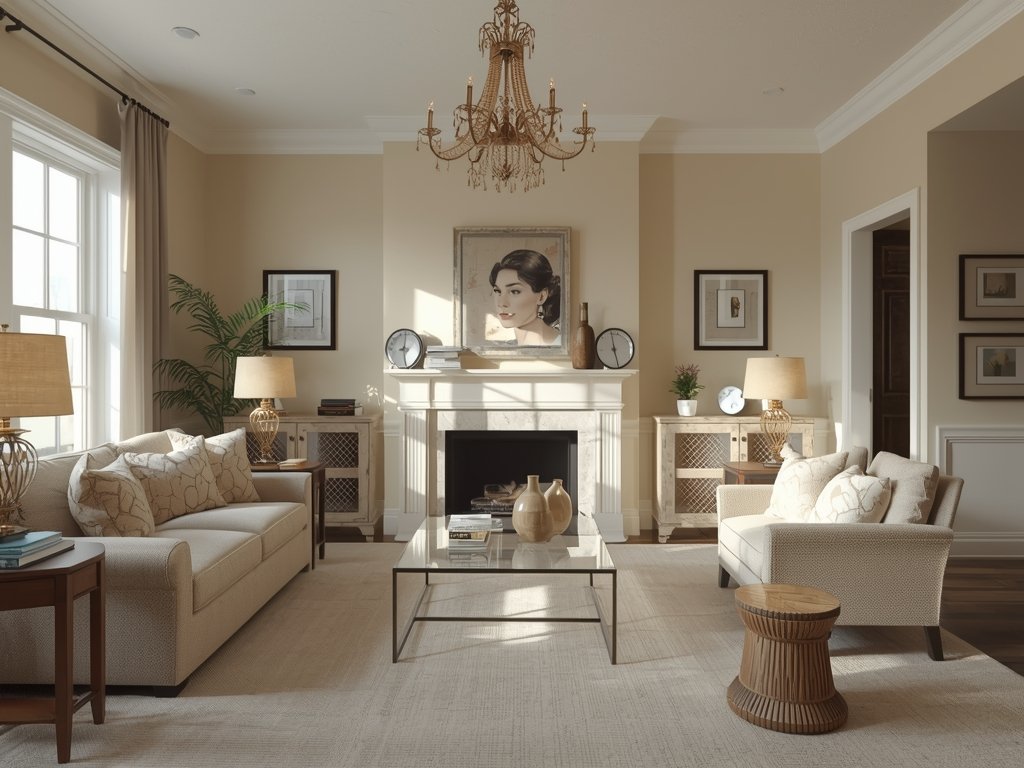
One common mistake is using too many shades of beige or gray without cohesion. Another is neglecting textures, resulting in a flat, uninviting space. Overcrowding with furniture or decor can also disrupt the calmness of a neutral room.
Overdoing Minimalism: When Less Isn’t More
While minimalism works well with neutrals, too little decor can make the room feel cold. Balance clean lines with warm textures and a few carefully chosen accessories to keep the space inviting.
Pro Tips for Success
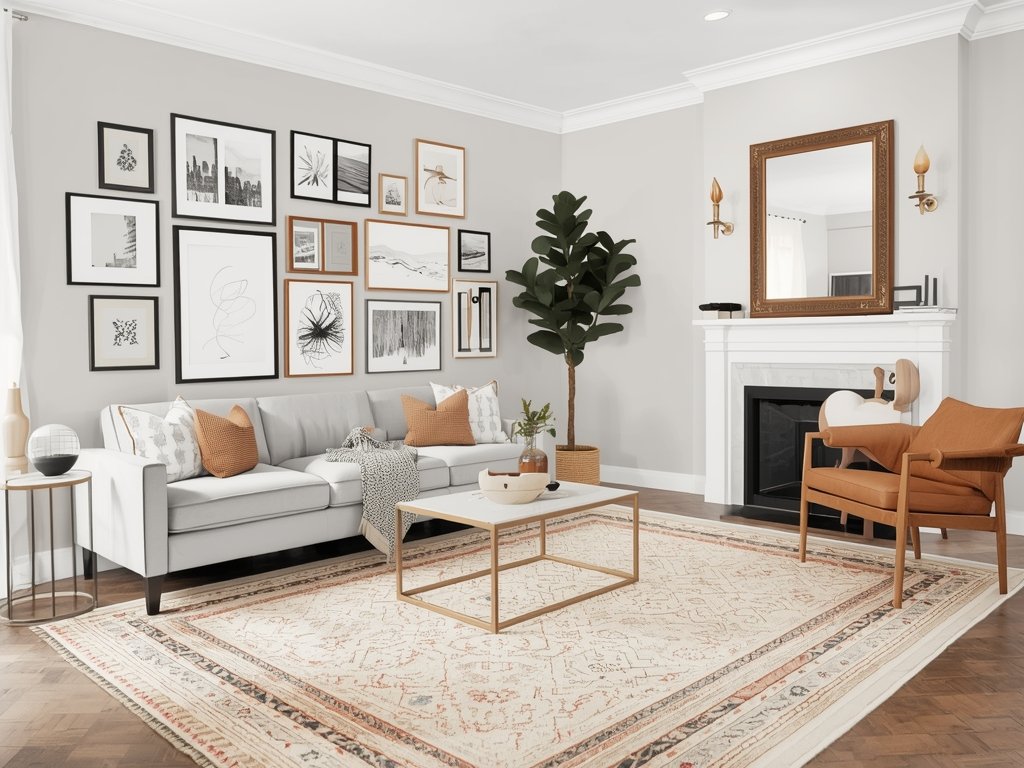
Start with a focal point, like a statement rug or artwork, to anchor the room. Use varying shades of neutrals to create depth, and don’t forget to add personal touches like family photos or heirlooms. Regularly declutter to maintain the room’s serene vibe.
Creating a Focal Point in a Neutral Room
A focal point draws the eye and adds interest. Consider a large piece of art, a statement mirror, or a bold textured wall. Keep it subtle to maintain the room’s overall calmness.
Budget-Friendly Neutral Living Room Ideas
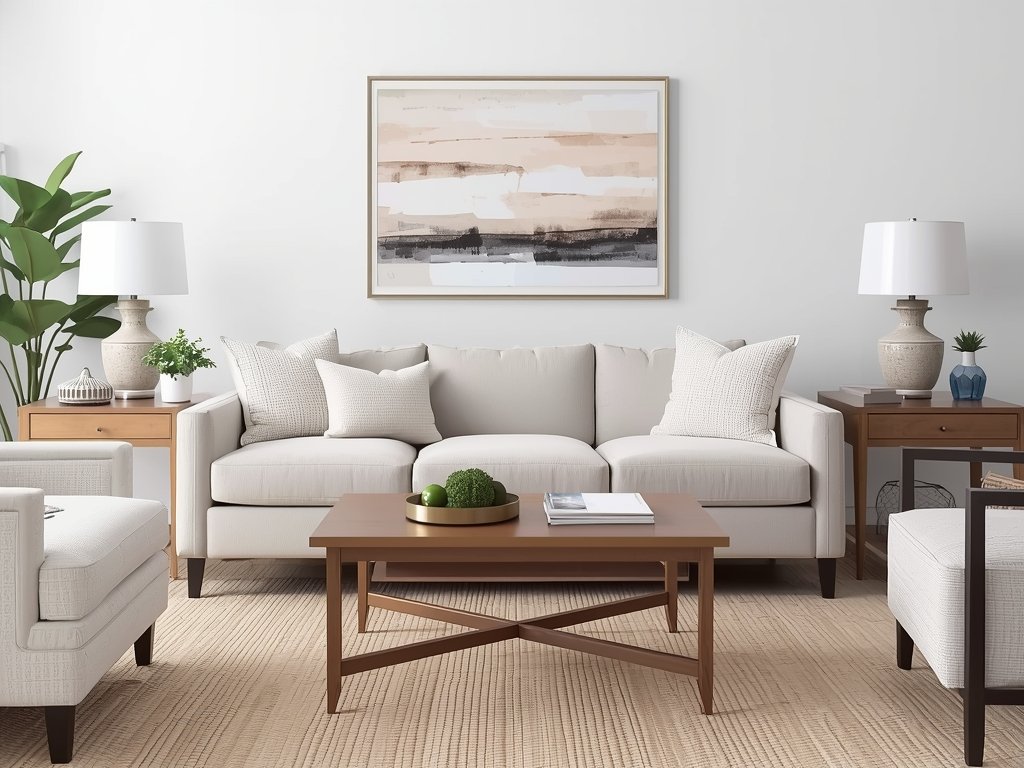
Creating a neutral living room on a budget is achievable with thrifted furniture, DIY projects, and affordable accessories. Look for secondhand pieces that can be repainted or reupholstered in neutral tones. Use affordable textiles like throw pillows and rugs to refresh the space.
DIY Projects to Elevate Your Space
Try painting an accent wall in a neutral shade or creating your own artwork with canvas and acrylic paints. DIY projects add a personal touch while keeping costs low.
FAQ
How do I keep a neutral living room from looking boring?
Incorporate textures, layers, and subtle accents to add depth. Use a mix of materials like wood, metal, and fabric, and introduce greenery for a pop of color.
Can I mix warm and cool neutrals in the same room?
Yes, mixing warm and cool neutrals creates a balanced and dynamic space. Use warm tones on walls and cool tones for accents, or vice versa.
What’s the best lighting for a neutral living room?
Combine natural light with warm, soft artificial lighting. Use table lamps, sconces, and overhead fixtures to create layers and enhance the room’s ambiance.
How can I make a small neutral living room feel larger?
Use light, reflective neutrals like white or light gray to maximize brightness. Add mirrors and keep furniture low to the ground to create the illusion of space.
Are neutral living rooms suitable for families with kids?
Yes, neutral living rooms are versatile and can be adapted for families. Use durable fabrics, add washable rugs, and incorporate storage solutions to keep the space functional and stylish.