The Art of Less: Mastering the Minimalist Living Room
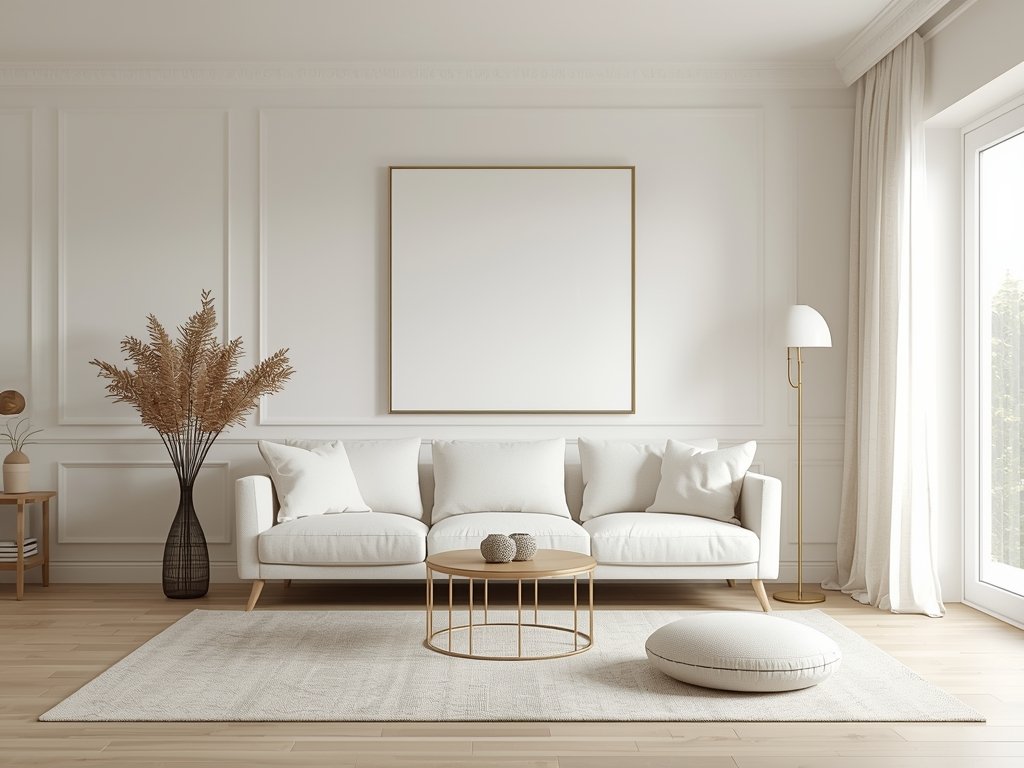
Minimalism is more than a design trend; it’s a lifestyle that prioritizes simplicity, functionality, and tranquility. In a world cluttered with distractions, a minimalist living room can serve as a sanctuary—a space where every element has purpose and beauty. Whether you’re starting from scratch or decluttering your current space, these tips will guide you toward creating a living room that breathes calm and elegance.
Start with a Blank Canvas: Decluttering 101
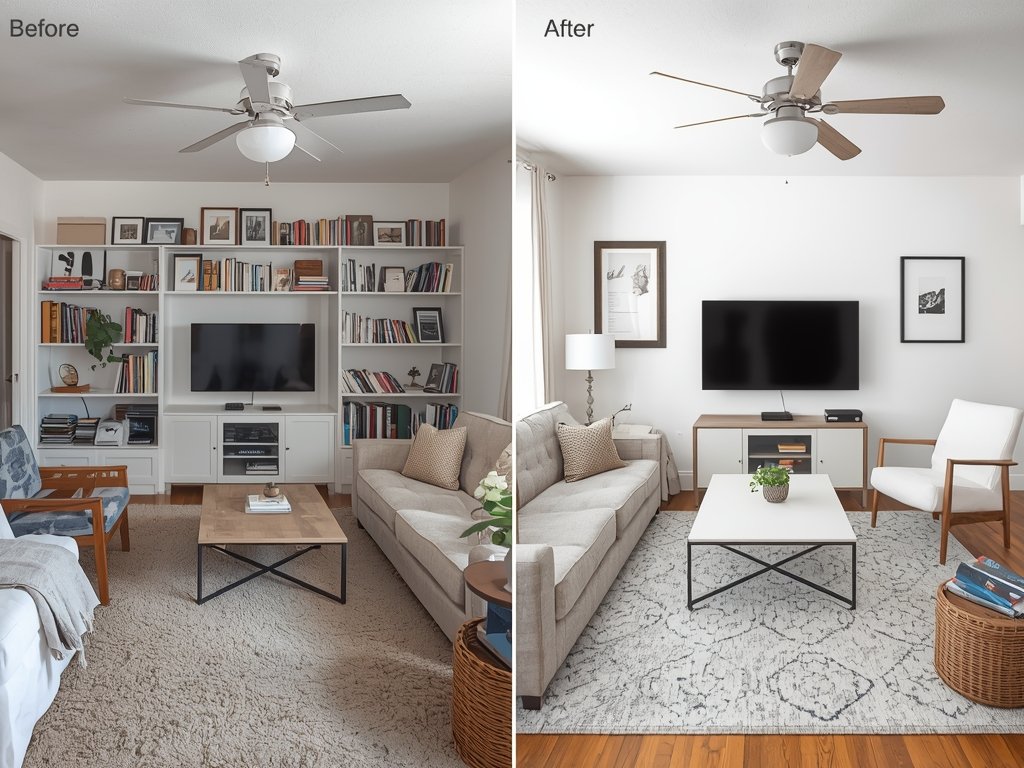
The first step to minimalist design is decluttering. Think of your living room as a blank canvas waiting for intentional strokes of creativity. Begin by removing everything that doesn’t serve a purpose or spark joy. This includes excess furniture, decorative items, and even those sentimental trinkets that have overstayed their welcome.
Pro tip: Use the “one-in, one-out” rule. If you bring in a new item, let go of something old. This keeps your space balanced and prevents accumulation.
The Power of Negative Space
Negative space isn’t just empty—it’s essential. It allows your eyes to rest and your mind to focus. Avoid the urge to fill every corner. Instead, let open areas breathe, creating a sense of flow and freedom.
Choose a Neutral Palette: The Foundation of Calm
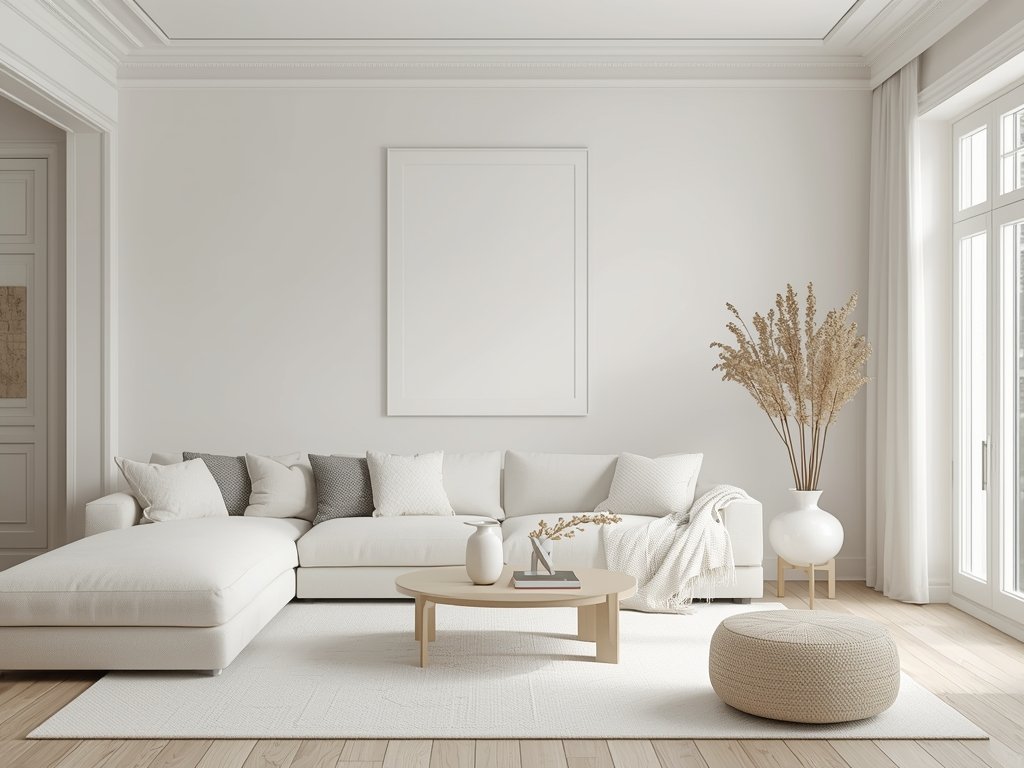
Color plays a pivotal role in minimalist design. Stick to a neutral palette—think whites, beiges, grays, and soft pastels. These hues create a soothing backdrop that lets furniture and decor shine without overwhelming the senses.
If you crave a pop of color, introduce it sparingly through accent pieces like throw pillows, rugs, or artwork. The key is restraint—let the neutrals dominate while accents add subtle interest.
Texture as a Design Element
In a minimalist space, texture becomes a star player. Incorporate materials like wood, metal, linen, and leather to add depth and warmth. A chunky knit throw or a sleek marble coffee table can elevate the room without cluttering it.
Furniture with Purpose: Less is More
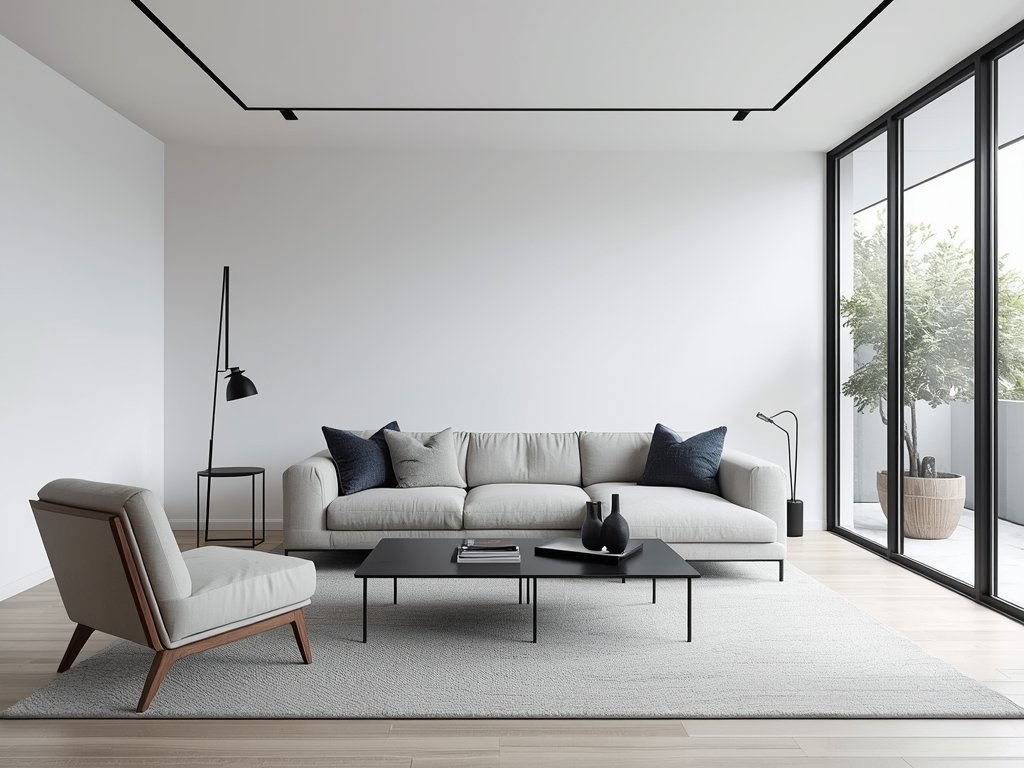
When it comes to furniture, prioritize quality over quantity. Each piece should serve a clear function and align with the overall aesthetic. Opt for clean lines, simple shapes, and multi-functional designs.
For example, a low-profile sofa with slim legs creates an airy feel, while a coffee table with storage keeps essentials out of sight. Avoid bulky pieces that dominate the room—think streamlined and understated.
The Magic of Modular Furniture
Modular furniture is a minimalist’s best friend. Its adaptability allows you to rearrange and reconfigure as needed, ensuring your space remains functional and uncluttered. From sectional sofas to stackable shelves, modular pieces offer flexibility without sacrificing style.
Curate with Intent: Decor That Matters
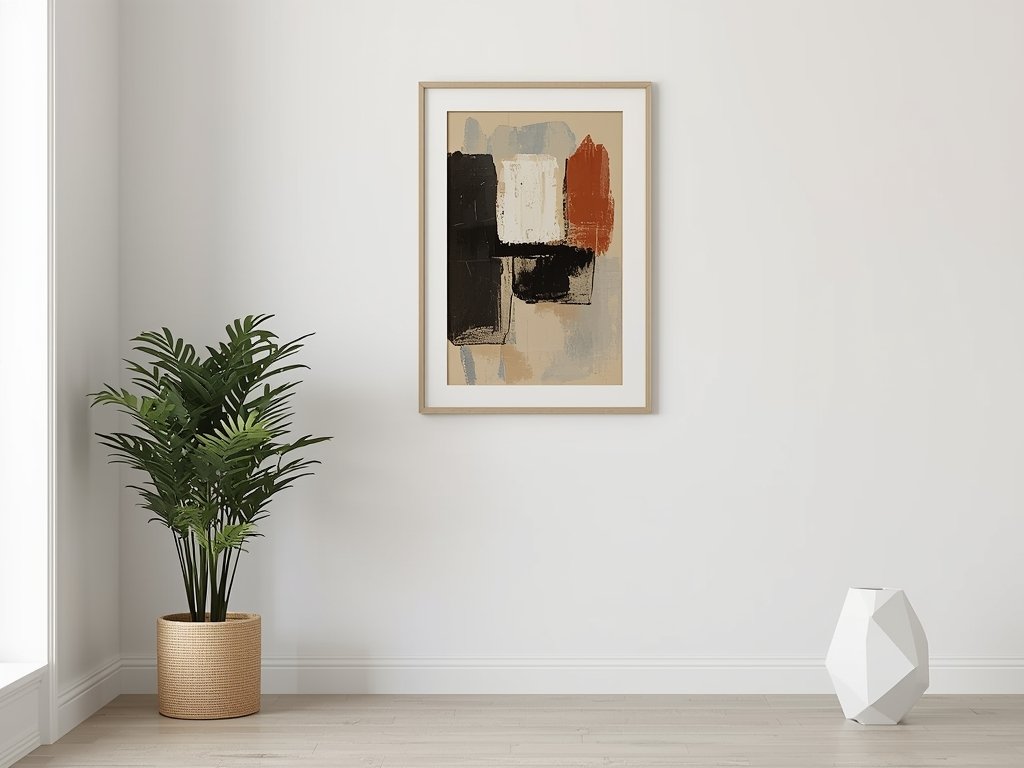
In minimalism, decor isn’t about quantity—it’s about quality. Each item should tell a story or evoke emotion. Choose pieces that resonate with you, whether it’s a statement artwork, a cherished heirloom, or a potted plant that brings life to the room.
Remember, less is more. A single striking piece can have a greater impact than a collection of smaller items. Let each decor element stand out by giving it ample space to breathe.
Greenery: The Natural Touch
Plants are a minimalist’s secret weapon. They add color, texture, and life to a space without cluttering it. Opt for low-maintenance varieties like snake plants, pothos, or succulents. Place them in simple, unadorned pots to maintain the clean aesthetic.
Lighting: Setting the Mood
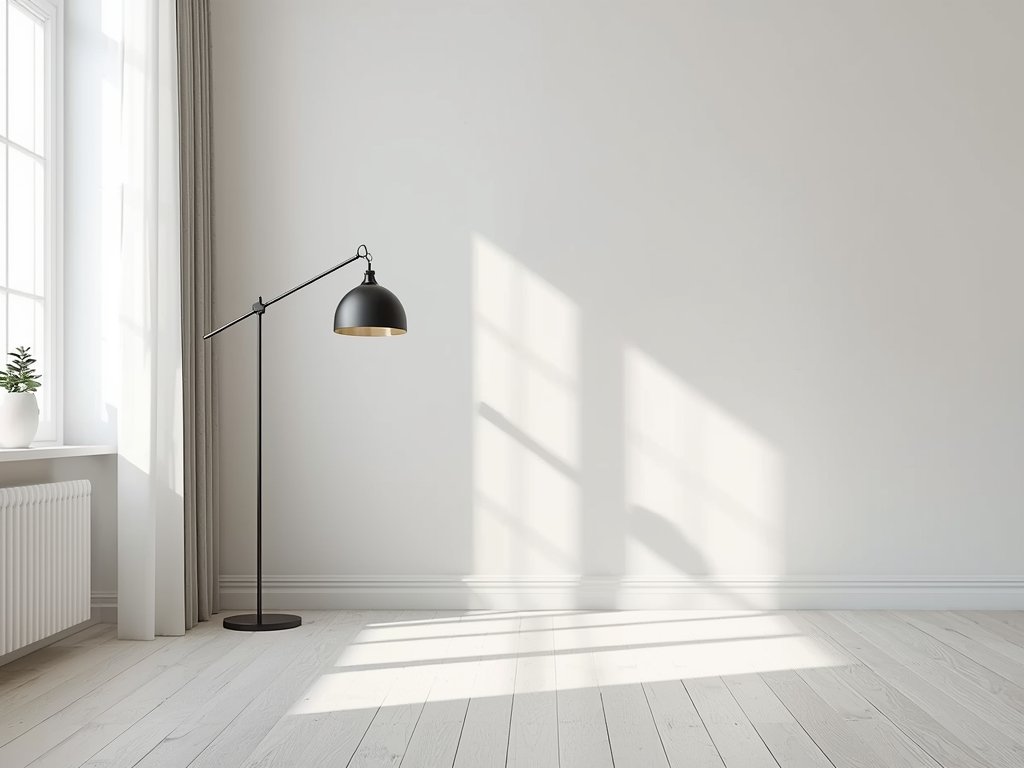
Lighting can make or break a minimalist space. Aim for a mix of natural and artificial light to create a warm, inviting atmosphere. Large windows with sheer curtains allow sunlight to filter in, while strategically placed lamps provide soft, ambient lighting after dark.
Choose fixtures with clean, simple designs. A sleek floor lamp or a geometric pendant light can double as functional art, enhancing the room’s aesthetic without adding clutter.
The Role of Mirrors
Mirrors are a minimalist’s ally. They reflect light, create the illusion of space, and add visual interest without taking up physical room. A large, frameless mirror can become a focal point, amplifying the sense of openness.
FAQ: Your Minimalist Living Room Questions Answered
How do I avoid making my minimalist living room feel cold?
Incorporate warm elements like wooden furniture, soft textiles, and warm lighting. A plush rug or cozy throw can add comfort without clutter.
Can I include patterns in a minimalist design?
Yes, but use them sparingly. Opt for subtle patterns in neutral tones, such as geometric designs or muted stripes, to maintain the calm aesthetic.
What’s the best way to store items in a minimalist living room?
Utilize hidden storage solutions like built-in cabinets, ottomans with compartments, or wall-mounted shelves. Keep surfaces clear and clutter-free.
How often should I declutter my living room?
Aim to declutter every few months. Regularly assess what you own and let go of items that no longer serve a purpose or bring joy.