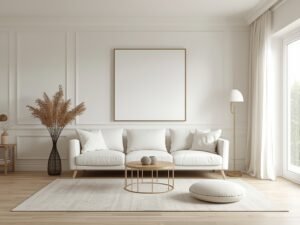
Minimalist Bedroom Design: A Calm and Clutter-Free Retreat
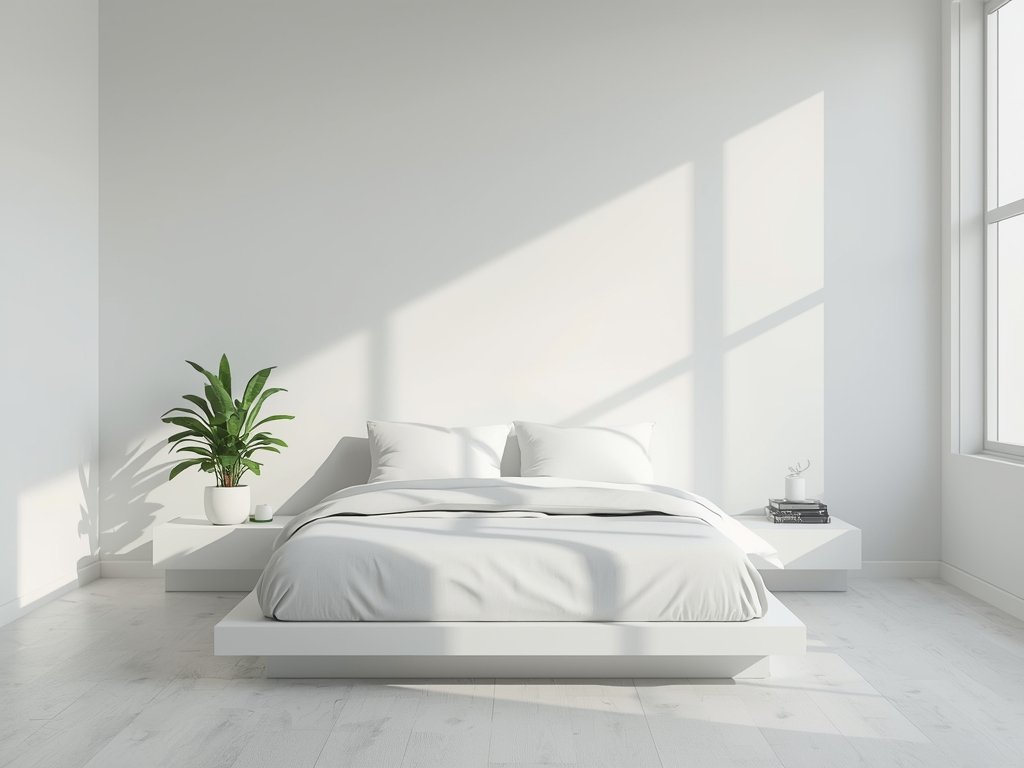
Minimalist bedroom design focuses on simplicity, functionality, and tranquility. By stripping away excess and embracing clean lines, you create a space that promotes relaxation and restful sleep. Think neutral colors, natural materials, and purposeful furniture placement. This approach prioritizes quality over quantity, resulting in a calming and clutter-free sanctuary.
The Power of Negative Space
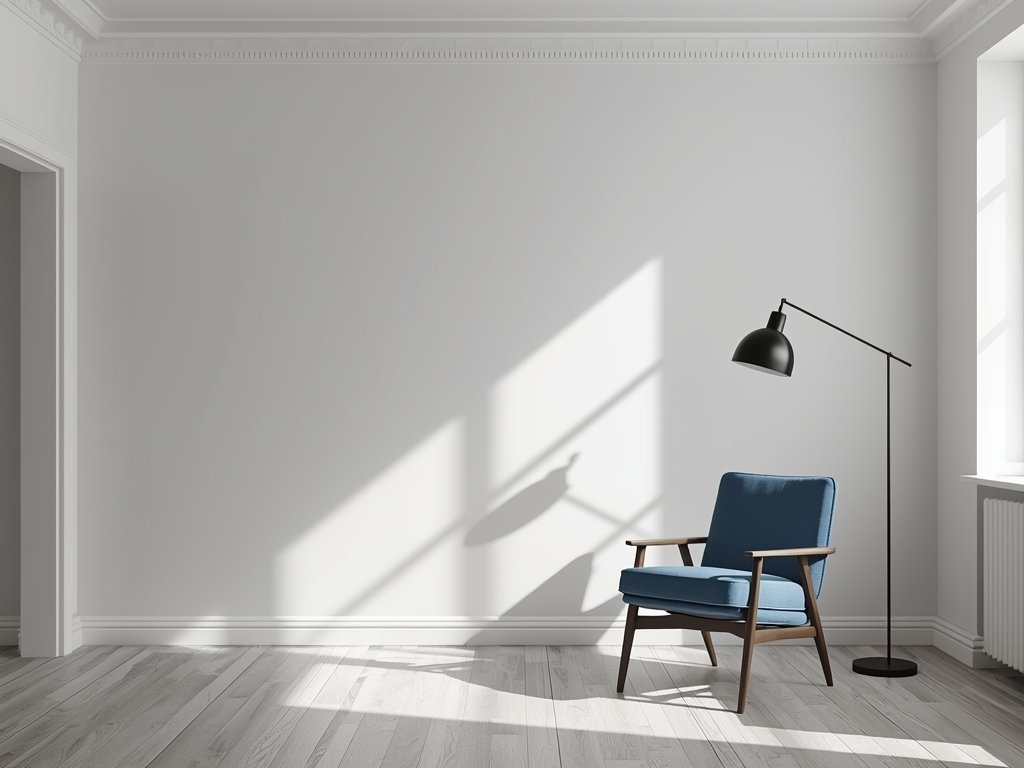
In minimalist design, negative space isn’t empty – it’s essential. It allows the eye to rest and prevents overwhelming visuals. Aim for at least 40% of your bedroom floor space to remain open. This creates a sense of airiness and makes the room feel larger.
IMAGE CAPTION: Scandinavian-inspired bedroom showcasing the beauty of negative space with a statement chair and floor lamp.
Furniture Placement for Flow
Arrange furniture to encourage natural movement. Allow for at least 3 feet of walking space around the bed and other pieces. Avoid pushing furniture against walls; instead, create small gaps to enhance the sense of openness.
Color Palette: Less is More
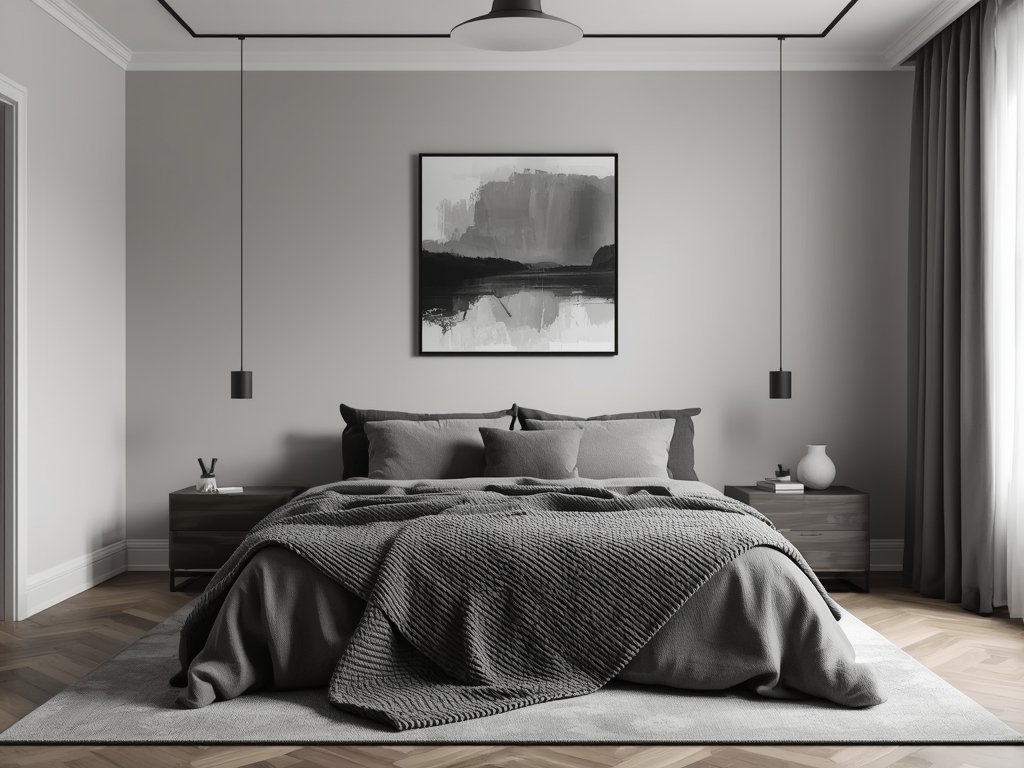
Stick to a limited color palette, ideally 2-3 colors maximum. Neutral tones like white, beige, gray, and taupe are classic choices. Introduce subtle variations in texture and shade to add depth without overwhelming the space.
IMAGE CAPTION: Contemporary bedroom with a monochromatic gray color scheme, emphasizing texture and subtle variations.
Accent Colors with Intent
If you crave a pop of color, use it sparingly. A single accent wall, a throw pillow, or a piece of artwork can add personality without disrupting the minimalist aesthetic. Choose colors that complement your neutral base.
- Deep Navy: Adds sophistication and depth.
- Forest Green: Brings a touch of nature indoors.
- Burnt Orange: Creates a warm and inviting atmosphere.
Materials Matter: Natural and Textured
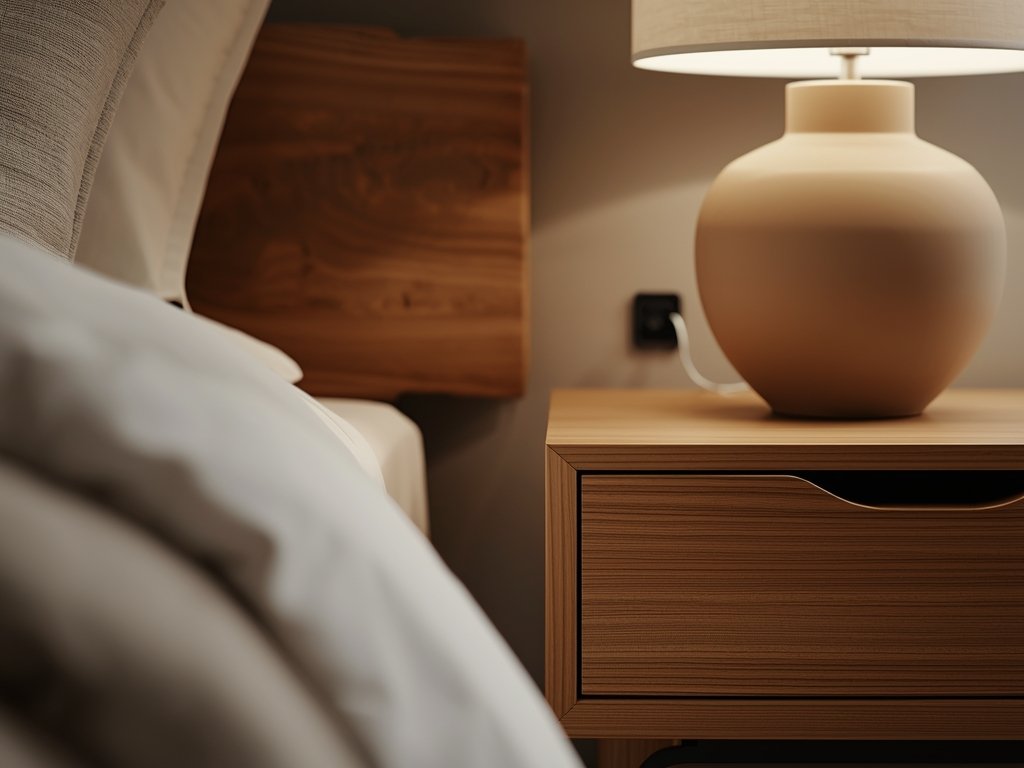
Opt for natural materials like wood, linen, cotton, and stone. These materials add warmth and texture to your space. Avoid overly shiny or synthetic finishes, which can feel cold and impersonal.
IMAGE CAPTION: Minimalist bedside table showcasing the beauty of natural wood paired with linen and ceramic textures.
Layering Textures for Depth
Combine different textures to create visual interest. Pair smooth surfaces like polished wood with rougher elements like woven rugs or chunky knit throws. This adds depth and dimension without relying on excessive decoration.
Furniture: Functional and Streamlined
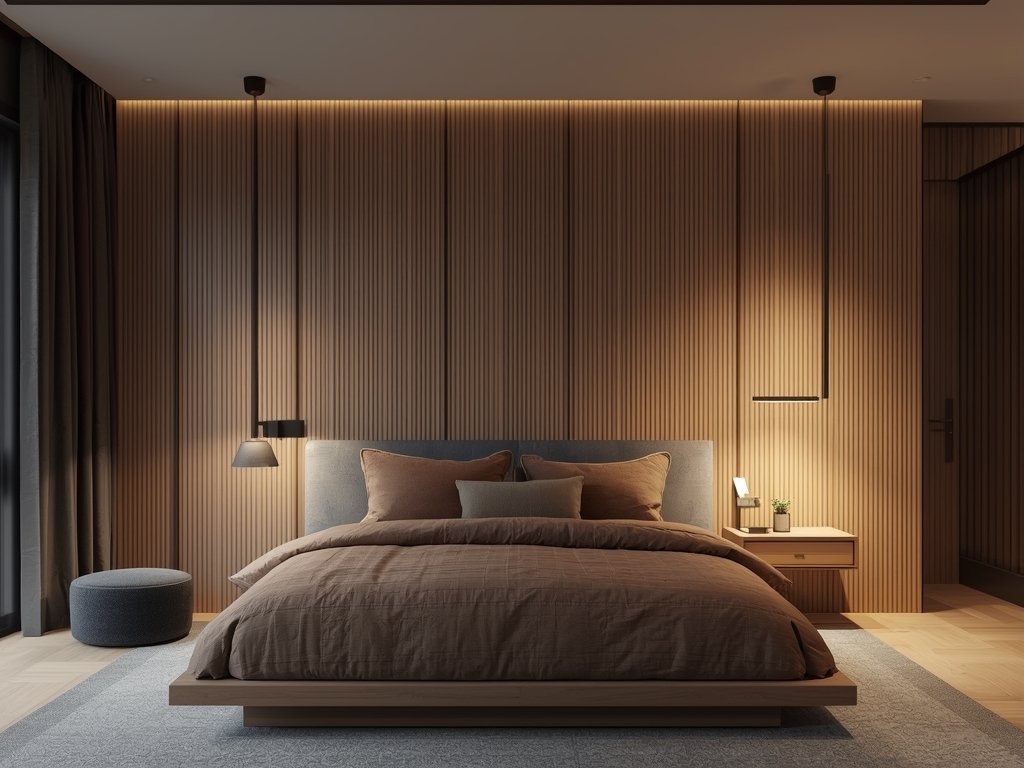
Choose furniture with clean lines and minimal ornamentation. Opt for pieces that serve multiple purposes, such as a platform bed with built-in storage drawers. In my experience, multifunctional furniture is key to maximizing space in a minimalist bedroom.
IMAGE CAPTION: Japanese-inspired bedroom featuring a low-profile platform bed with built-in storage and a wall-mounted reading light.
Scale and Proportion
Ensure furniture is appropriately sized for the room. Oversized pieces can overwhelm a small space, while too-small furniture can look lost. Aim for a balanced and harmonious arrangement.
Pro Tip: Before purchasing furniture, measure your space and create a floor plan to ensure proper fit and flow.
Storage Solutions: Hidden and Organized
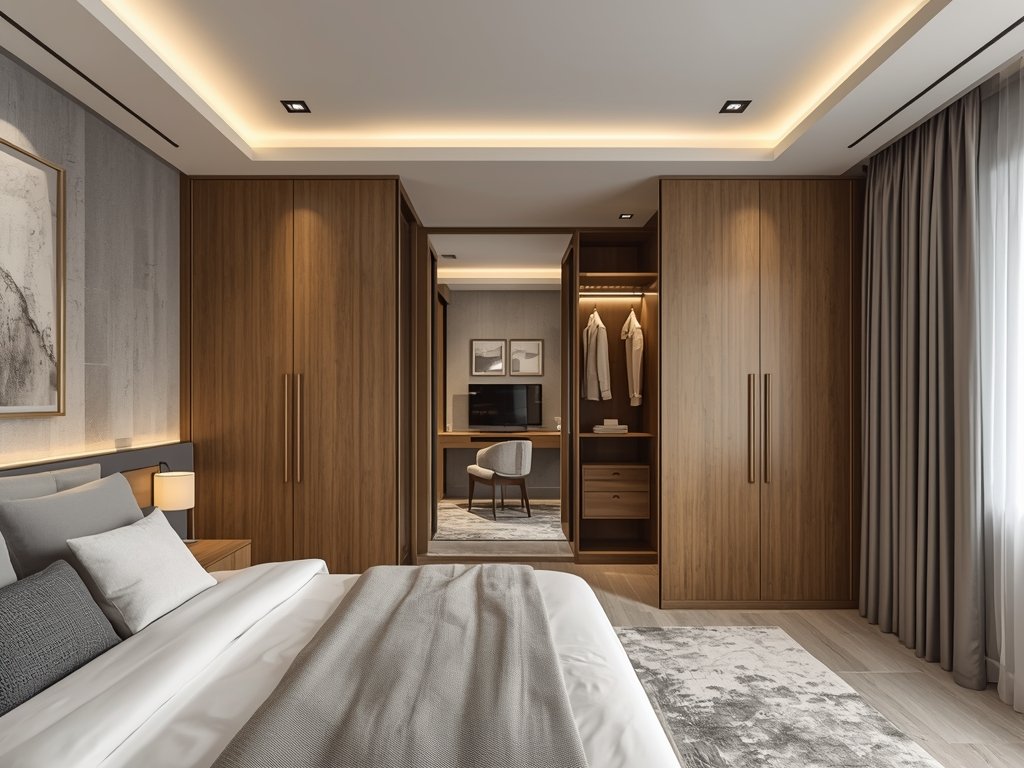
Clutter is the enemy of minimalism. Invest in clever storage solutions that keep belongings out of sight. Utilize under-bed storage, built-in closets, and multi-functional furniture with hidden compartments.
IMAGE CAPTION: Modern minimalist bedroom with built-in closet systems featuring sliding doors and hidden storage.
The Art of Decluttering
Regularly declutter your space. What I have found to work best is the “one in, one out” rule – for every new item you bring in, remove one existing item. This prevents accumulation and maintains a sense of order.
Lighting: Soft and Layered
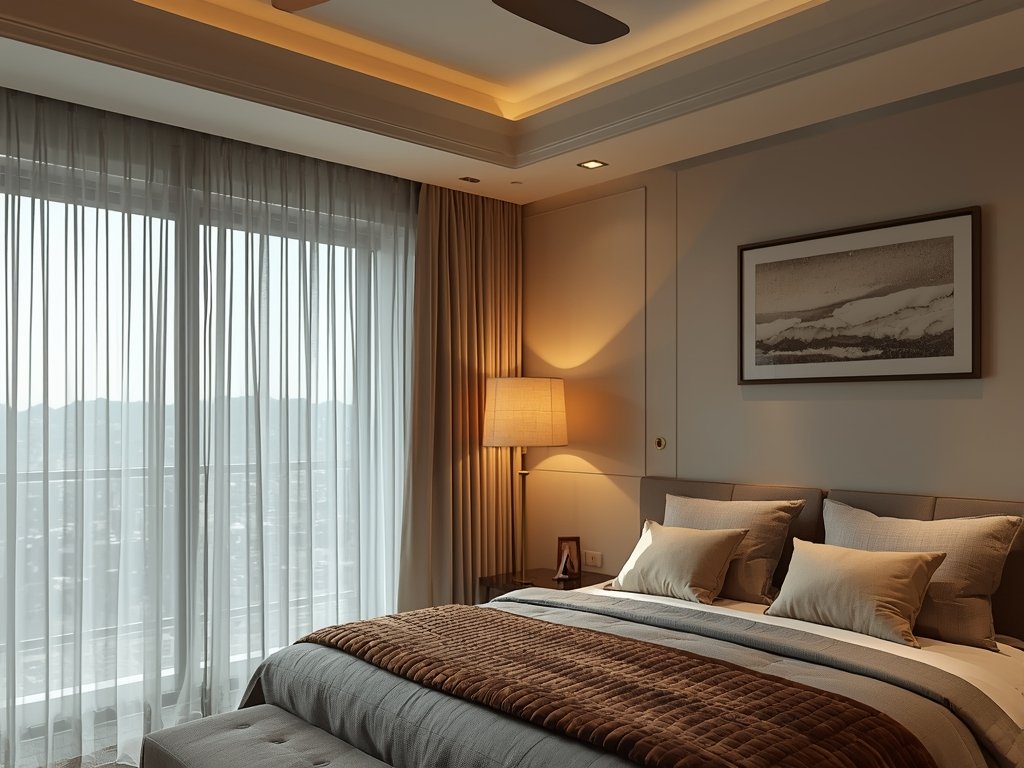
Natural light is paramount in a minimalist bedroom. Maximize it with sheer curtains or blinds. Layer in ambient lighting with recessed ceiling lights or wall sconces. Add task lighting with a bedside lamp or a floor lamp for reading.
IMAGE CAPTION: Contemporary bedroom with layered lighting, combining natural light, recessed ceiling lights, and a floor lamp.
Dimmer Switches for Ambiance
Install dimmer switches to control the intensity of your lighting. This allows you to create a relaxing atmosphere in the evening and a brighter space during the day.
Decor: Less is More (Again)
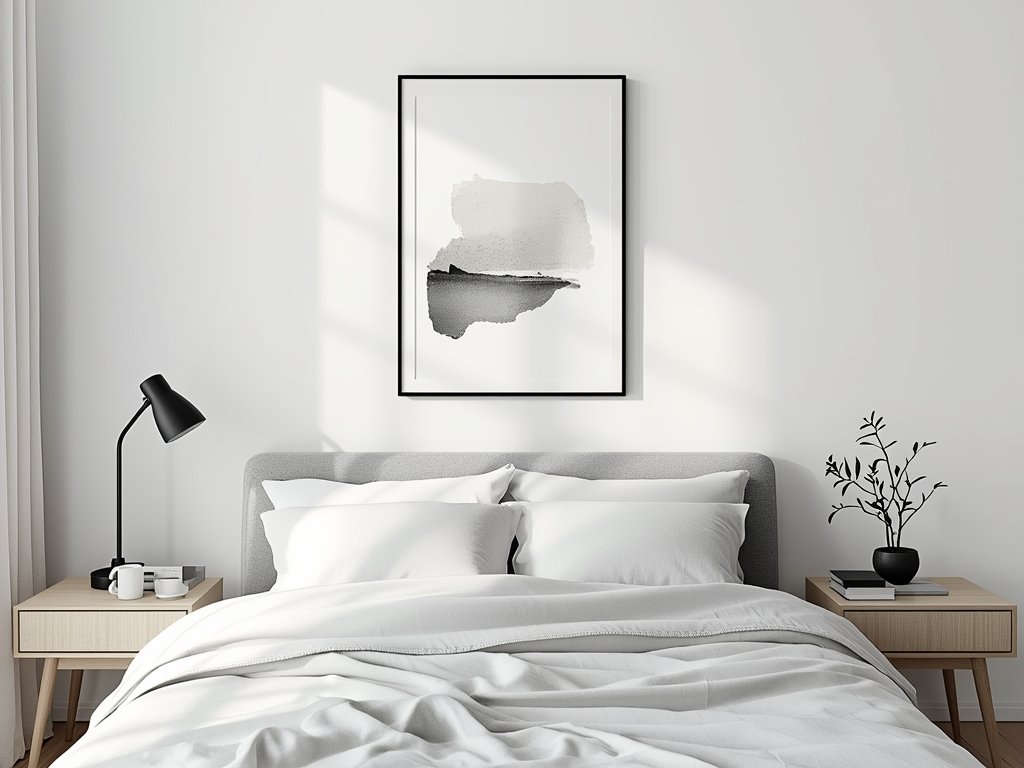
When it comes to decor, restraint is key. Choose a few carefully curated pieces that hold personal meaning. A single piece of artwork, a potted plant, or a textured throw blanket can add personality without overwhelming the space.
IMAGE CAPTION: Scandinavian-inspired bedroom with minimal decor, featuring a single piece of abstract art and a potted plant.
The Power of Negative Wall Space
Don’t feel pressured to fill every wall. Empty walls can be just as impactful as decorated ones. They create a sense of calm and allow your chosen decor to truly stand out.
Common Mistakes to Avoid
Even with the best intentions, it’s easy to stray from minimalist principles. Here are some common pitfalls to watch out for:
- Over-accessorizing: Too many throw pillows, blankets, or decorative objects can quickly clutter a space.
- Ignoring Scale: Furniture that’s too large or too small can throw off the balance of the room.
- Fear of Empty Space: Don’t be afraid to leave areas untouched. Negative space is essential in minimalist design.
- Sacrificing Comfort: Minimalism doesn’t mean sacrificing comfort. Choose furniture and textiles that are both stylish and inviting.
Pro Tips for Success
Here are some expert tips to help you achieve a truly stunning minimalist bedroom:
- Start with a Blank Canvas: Begin by removing everything from the room. This allows you to see the space with fresh eyes and make intentional choices about what to bring back in.
- Invest in Quality Pieces: Since you’ll have fewer items, choose high-quality furniture and decor that will last.
- Edit Ruthlessly: Regularly assess your belongings and let go of items you no longer need or love.
- Embrace Imperfection: Minimalism isn’t about achieving perfection. It’s about creating a space that feels calm, peaceful, and reflective of your personal style.
FAQ
Is minimalist design boring?
Not at all! Minimalism is about creating a sense of calm and tranquility. By carefully curating your belongings and focusing on quality over quantity, you can create a space that is both beautiful and inviting.
How can I make my minimalist bedroom feel cozy?
Incorporate warm textures like linen, wool, and wood. Use soft lighting and add a few carefully chosen decorative elements that reflect your personality.
What if I have a small bedroom?
Minimalism is actually ideal for small spaces. By reducing clutter and maximizing storage, you can create the illusion of more space.
Can I incorporate color into a minimalist bedroom?
Absolutely! Use color sparingly and intentionally. A single accent wall, a throw pillow, or a piece of artwork can add a touch of personality without overwhelming the space.
How often should I declutter my minimalist bedroom?
Aim to declutter regularly, at least once a month. This prevents clutter from accumulating and helps you maintain a sense of order and calm.